Personal Finance for Immigrants in the United States

 A Practical Guide to Getting Started

Advertiser

Moving to the United States comes with new opportunities—but also a very different financial system. From banking and credit to taxes and insurance, understanding how money works in the U.S. is essential for building stability and long-term success.

This guide covers:

  • The first financial steps after arriving in the U.S.
  • How to open a bank account without credit history
  • How to build credit from scratch
  • Key financial differences between the U.S. and other countries

🇺🇸 First Financial Steps When Arriving in the U.S.

https://wealthtender.com/wp-content/uploads/2021/07/US-Immigrants-Illustration-Financial-Planning.jpg
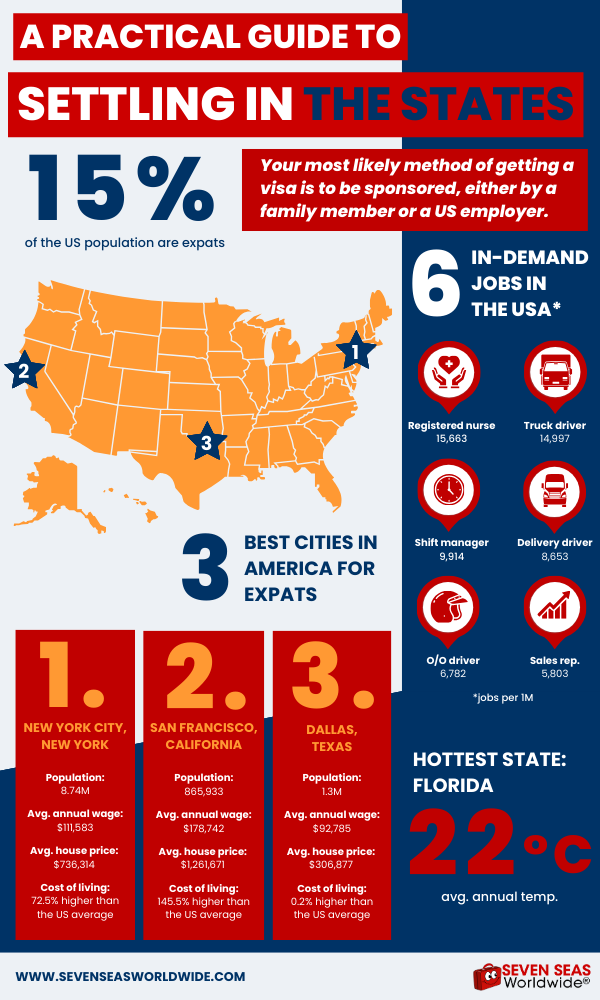
https://www.sevenseasworldwide.com/media/tyjcgc5s/moving-to-usa-infographic.png
https://cdn.prod.website-files.com/62d8ae776a9b17ca0851134c/68516a40aed83261998eaa71_Thumbnail_%20%20How%20to%20Set%20Up%20a%20U.S.%20Bank%20Account%20as%20a%20New%20Immigrant.png

Your first weeks in the U.S. are crucial for setting up a strong financial foundation.

Priority steps:

  1. Obtain your SSN or ITIN (if eligible)
  2. Open a U.S. bank account
  3. Create a basic monthly budget
  4. Understand your income and tax obligations
  5. Start building a financial paper trail

👉 Even if you don’t earn much at first, organizing your finances early prevents future problems.


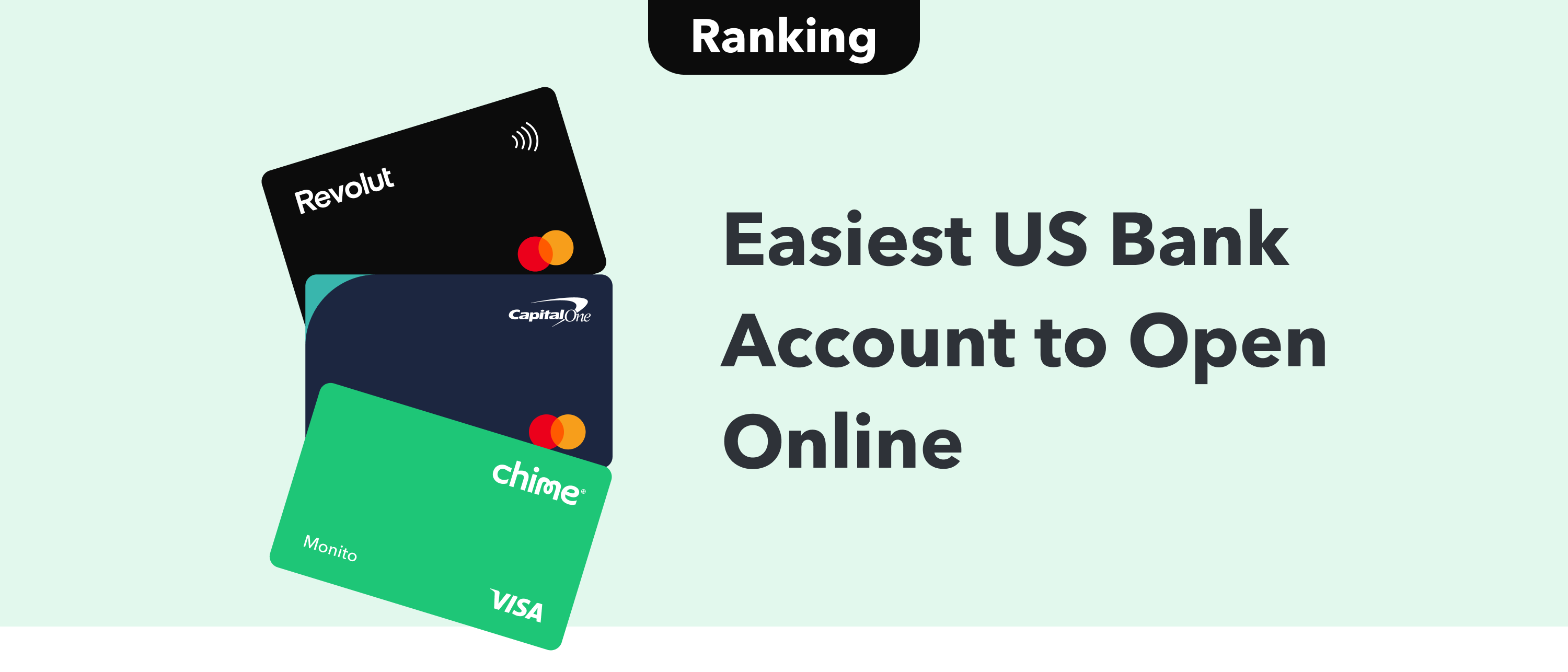
🏦 How to Open a Bank Account Without Credit History
https://cdn.sanity.io/images/whc4dqyy/production/3a9cfc03c404e861b0a27ad1596de02b1d173165-3000x1286.png/Easiest%20US%20Bank%20Account%20to%20Open%20Online.png
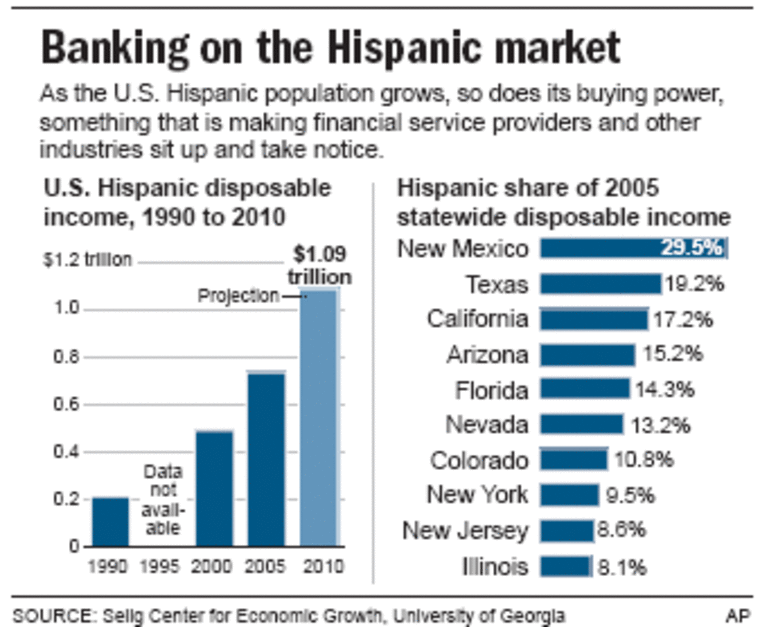
https://media-cldnry.s-nbcnews.com/image/upload/t_fit-760w%2Cf_auto%2Cq_auto%3Abest/msnbc/Components/Art/BUSINESS/060315/AP_HISPANIC_BANKING.gif
https://www.investopedia.com/thmb/1qh5h-l99buIBvFPEuvXsROiwVg%3D/1500x0/filters%3Ano_upscale%28%29%3Amax_bytes%28150000%29%3Astrip_icc%28%29/what-should-you-bring-bank-open-checking-account.asp-final-f16d5ca14ba14c588edca55037bd2ce4.jpg

Good news: you do not need a credit history to open a bank account in the U.S.

What banks usually require:

  • Passport or government-issued ID
  • U.S. address
  • SSN or ITIN (some banks accept alternatives)
  • Initial deposit (often small or none)

Best account types to start with:

  • Checking accounts for daily expenses
  • Savings accounts for emergency funds

👉 Online banks and credit unions are often more immigrant-friendly and have lower fees.


📈 Building Credit From Scratch

https://media.licdn.com/dms/image/v2/D4D12AQEv2k8_CCsd_w/article-cover_image-shrink_720_1280/article-cover_image-shrink_720_1280/0/1682513158341?e=2147483647&t=Q2EHtgSb3ySTxtXmOq2XrLFB0AzJhdhCm6ZBkJ05wOQ&v=beta
https://www.bankofamerica.com/content/images/ContextualSiteGraphics/CreditCardArt/en_US/Approved_PCM/8ckn_cshcm_v_250x158.png
https://gyandhan.s3.amazonaws.com/uploads/ckeditor/pictures/1335/content_Credit_score_range_in_us_infographic_7_oct_2023.jpg
Credit is one of the biggest differences between the U.S. and many other countries. Without a credit score, everyday tasks—like renting an apartment or financing a car—can be harder.

Ways to build credit safely:

  • Apply for a secured credit card
  • Become an authorized user on someone else’s card
  • Use credit lightly and pay the balance in full every month
  • Keep credit utilization low
  • Pay all bills on time

👉 Building credit takes time, but consistency matters more than income.

Read also: Financial Psychology and Money Mindset


🌍 Financial Differences Between the U.S. and Other Countries

https://www.investopedia.com/thmb/OeLowLgNROyIZoQ_7oU6M23EsOc%3D/1500x0/filters%3Ano_upscale%28%29%3Amax_bytes%28150000%29%3Astrip_icc%28%29/financial-system_final-a9f735f765244e84829563e8a147abf2.jpg
https://custom-images.strikinglycdn.com/res/hrscywv4p/image/upload/c_limit%2Cfl_lossy%2Ch_1440%2Cw_720%2Cf_auto%2Cq_auto/456784/xuvt8mg7xklclk991ijl.png
https://cdn.prod.website-files.com/637f8c101a1423855fa94175/675b0771067694fa0403446f_675b075f4342c9a02f98d989_financial_literacy_graphic.png

Understanding these differences helps immigrants avoid costly mistakes.

Key differences:

  1. Credit is essential in the U.S. for housing, loans, and even jobs
  2. Healthcare is expensive without insurance
  3. Taxes are individual responsibility, especially for freelancers
  4. Retirement savings are self-managed (401(k), IRA)
  5. Debt is common, but must be managed carefully

👉 What worked financially in your home country may not work the same way in the U.S.


✅ Final Thoughts

Personal finance for immigrants in the United States can feel overwhelming at first—but with the right information and habits, it becomes manageable and empowering.

By opening the right accounts, building credit responsibly, understanding local financial rules, and planning ahead, immigrants can create stability and take full advantage of the opportunities the U.S. offers.


Meet the author of the article:
: Hi, I’m Camila, a finance writer dedicated to creating clear and practical content for readers in the United States. I focus on simplifying topics like credit cards, investments, and personal finance, helping people make smarter financial decisions. On my blog, I share tips, insights, and strategies to maximize rewards, save more efficiently, and invest wisely. I believe financial education is key to financial freedom, and my goal is to provide direct and useful information to help my readers achieve financial success.
veja todos os artigos
related articles Read also:
Financial Psychology and Money Mindset

Financial Psychology and Money Mindset Advertiser Personal finance isn’t just about math—it’s about behavior. Two people with the same income can end up in completely…

Budgeting and Money Management

How to Take Control of Your Finances in the U.S. Advertiser Budgeting isn’t about restriction—it’s about clarity and control. In the United States, where expenses…

Insurance and Financial Protection in the U.S

 What You Need to Know Advertiser Insurance plays a critical role in financial stability in the United States. Medical emergencies, car accidents, or unexpected life…

Especially
All the best cards from 2024 The best cards of 2024

Our analysts have carefully compiled the best ticket offers for you. Click to find out more and discover exclusive benefits.

Show all best cards