Real Estate and Wealth Building in the U.S.
A Smart Investor’s Guide
Advertiser
Real estate has long been one of the most popular ways to build wealth in the United States. From rental income to long-term appreciation, real estate offers unique advantages—but it also comes with risks and responsibilities.
In this article, you’ll learn:
- How real estate works as an investment in the U.S.
- The basics of rental income
- Pros and cons of real estate vs. stocks
- Common mistakes first-time real estate investors make
🏠 Real Estate as an Investment in the U.S.



Real estate investing involves purchasing property with the goal of generating income, appreciation, or both.
Why investors choose real estate:
- Appreciation – Property values tend to increase over time
- Cash flow – Rental income can provide monthly income
- Leverage – You can invest using borrowed money (mortgages)
- Tax advantages – Depreciation and deductions can reduce taxable income
👉 Real estate is often viewed as a long-term investment rather than a quick profit strategy.
💵 Rental Income Basics

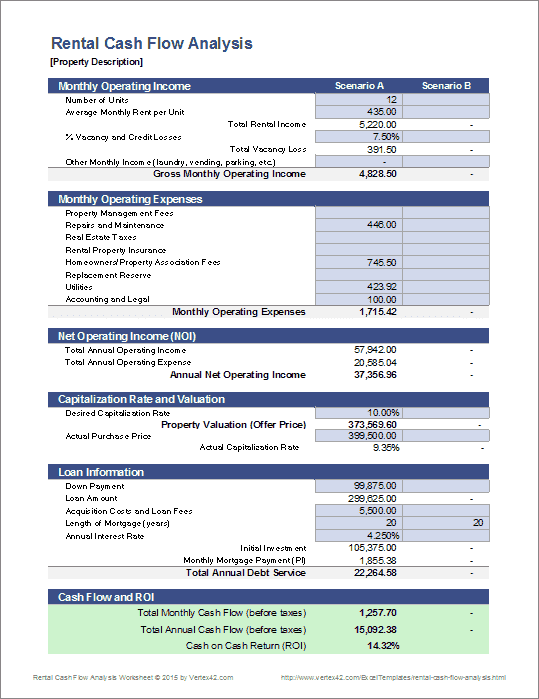

Rental income is the foundation of many real estate investment strategies, but profit is not just about collecting rent.
Key components of rental cash flow:
- Gross rental income – Total rent collected
- Operating expenses – Maintenance, repairs, insurance, property taxes
- Vacancy costs – Periods without tenants
- Mortgage payments – Principal and interest
Positive cash flow means:
Your rental income exceeds all expenses, leaving you with profit.
👉 Always analyze numbers conservatively before buying a property.
⚖️ Real Estate vs. Stocks: Pros and Cons

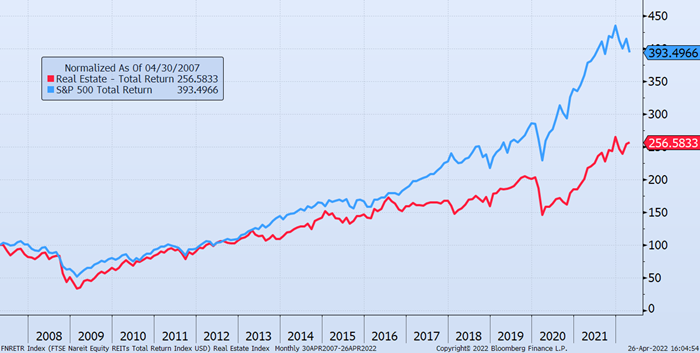
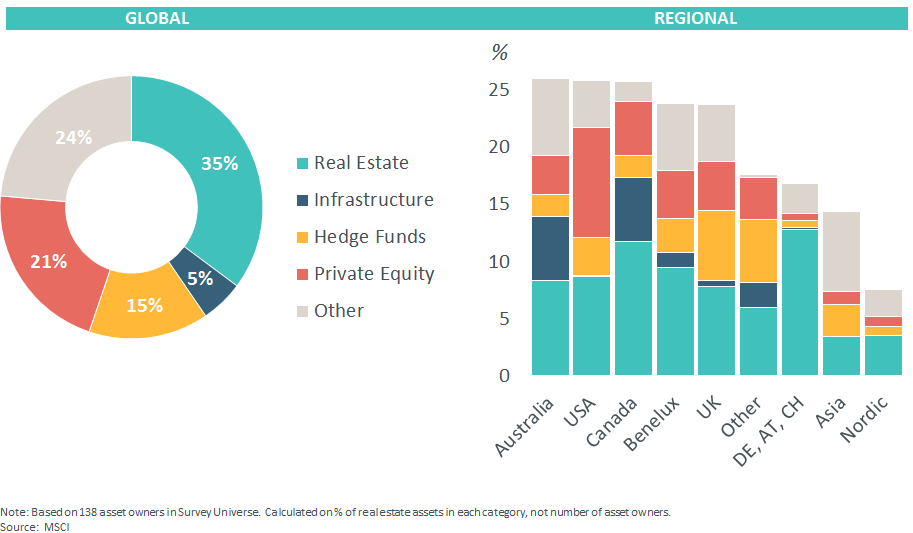
Real Estate – Pros:
- Tangible asset
- Monthly cash flow potential
- Inflation hedge
- Greater control over the investment
Real Estate – Cons:
- High upfront costs
- Illiquidity (harder to sell quickly)
- Active management required
- Concentration risk
Stocks – Pros:
- High liquidity
- Low barrier to entry
- Easy diversification
- Passive investing options
Stocks – Cons:
- Market volatility
- Less control
- Emotional reactions can hurt returns
👉 Many investors choose both, using real estate for income and stocks for diversification.
🚫 First-Time Real Estate Investor Mistakes


Common mistakes include:
❌ Underestimating expenses
❌ Ignoring cash flow and focusing only on appreciation
❌ Buying without proper inspections
❌ Overleveraging with too much debt
❌ Failing to understand local rental laws
❌ Not budgeting for vacancies and repairs
👉 Successful real estate investing is about numbers, patience, and preparation.
✅ Final Thoughts
Real estate can be a powerful wealth-building tool in the United States, but it’s not passive or risk-free. Understanding rental income, comparing real estate to other asset classes, and avoiding beginner mistakes are essential for long-term success.
Whether you’re investing in your first rental property or deciding how real estate fits into your broader portfolio, informed planning makes all the difference.