Personal Finance for Gig Economy Workers
How to Build Stability With Irregular Income
Advertiser
The gig economy has transformed how millions of Americans work. Freelancers, contractors, rideshare drivers, creators, and independent professionals enjoy flexibility and autonomy—but they also face unique financial challenges.
Without employer-provided benefits, predictable paychecks, or automatic tax withholding, gig workers must take full responsibility for their financial lives. The good news? With the right systems, financial stability is absolutely achievable.
In this article, you’ll learn:
- The main financial challenges of gig work
- How to budget with irregular income
- Taxes and benefits gig workers need to plan for
- How to build financial stability without employer benefits
⚠️ Financial Challenges of Gig Work
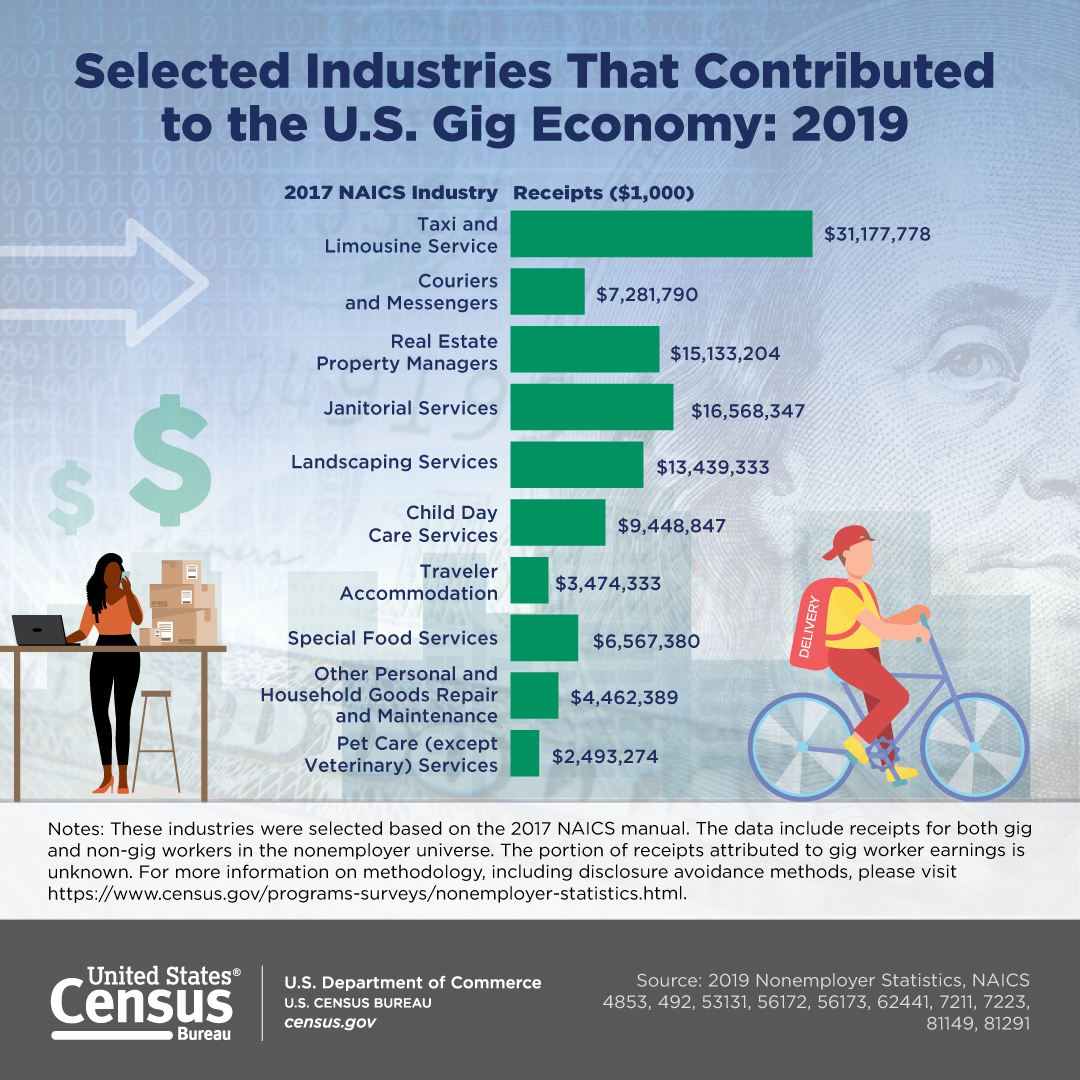
Gig work offers flexibility—but it shifts financial risk from employers to workers.
Common challenges gig workers face:
Irregular and unpredictable income
- No employer-sponsored health insurance
- No paid time off or sick leave
- Responsibility for self-employment taxes
- Difficulty qualifying for loans or housing
Income may fluctuate month to month, making it harder to plan, save, or feel secure.
👉 The biggest challenge isn’t income level—it’s income volatility.
📊 Budgeting With Irregular Income
Step 1: Base your budget on a minimum income
Calculate your lowest average monthly income, not your best months. Build your budget around what you can reliably earn.
Step 2: Separate essentials from non-essentials
Prioritize:
- Housing
- Utilities
- Food
- Transportation
- Insurance
- Minimum debt payments
Discretionary spending should flex up or down based on income.
Check out this content now: Financial Planning for Entrepreneurs and Business Owners
Step 3: Use a “buffer” system
- When income is higher than expected:
- Save the excess
- Use it to cover lower-income months
- Avoid increasing fixed expenses
👉 A buffer turns irregular income into predictable cash flow.
🧾 Taxes and Benefits for Gig Workers

Taxes are one of the most overlooked—and dangerous—areas for gig workers.
Key tax responsibilities:
- Self-employment tax (Social Security and Medicare)
- Federal and state income taxes
- Quarterly estimated tax payments
Unlike employees, gig workers don’t have taxes withheld automatically.
Smart tax strategies:
- Set aside 25–30% of income for taxes
- Make quarterly estimated payments
- Track deductible business expenses
- Use accounting or tax software
Benefits you must provide yourself:
- Health insurance
- Retirement savings
- Disability protection
- Emergency savings
👉 In the gig economy, you are your own HR department.
🏥 Health Insurance and Protection Planning

Health costs can quickly derail finances without proper planning.
Common options for gig workers:
- Marketplace health insurance plans
- Health Savings Accounts (HSAs), if eligible
- High-deductible plans paired with savings
Other protections to consider:
- Disability insurance
- Liability insurance (depending on work type)
👉 One medical emergency can wipe out months of income—insurance is not optional.
🏦 Building Stability Without Employer Benefits

Stability for gig workers comes from systems, not guarantees.
Core pillars of gig-worker stability:
1. A strong emergency fund
Aim for 6–9 months of essential expenses, since income is unpredictable.
2. Separate business and personal finances
- Business checking account
- Dedicated savings for taxes
- Clear tracking of income and expenses
3. Consistent retirement contributions
Options include:
- Roth IRA
- Traditional IRA
- Solo 401(k) or SEP IRA
Even small, regular contributions matter.
4. Income diversification
Relying on one platform or client increases risk. Multiple income streams reduce vulnerability.
👉 Stability isn’t about certainty—it’s about preparation.
🔄 Managing Cash Flow Like a Business

Successful gig workers think like business owners.
Cash flow best practices:
- Track income weekly or monthly
- Forecast expenses ahead of time
- Delay lifestyle upgrades until income stabilizes
- Avoid debt during high-income months
👉 Cash flow discipline smooths financial stress—even when income fluctuates.
🧠 Mindset Shifts Gig Workers Need
Financial success in the gig economy requires a different mindset.
Key shifts include:
- From paycheck thinking → cash flow thinking
- From short-term income → long-term sustainability
- From reactive spending → intentional planning
Gig work rewards flexibility—but financial discipline keeps it sustainable.
✅ Final Thoughts
The gig economy offers freedom, flexibility, and opportunity—but only for those who manage money intentionally. By budgeting conservatively, planning for taxes and benefits, building strong savings, and treating your finances like a business, you can create stability even with irregular income.
Gig work doesn’t mean unstable finances.
It means financial responsibility shifts to you.
With the right systems in place, gig workers can build resilience, confidence, and long-term financial success—on their own terms.