Financial Planning for Entrepreneurs and Business Owners
Building Stability While Growing a Business
Advertiser
Entrepreneurship offers freedom, flexibility, and unlimited upside—but it also brings financial complexity and risk. Unlike traditional employees, business owners must manage both personal and business finances simultaneously, often without clear boundaries between the two.
Without intentional financial planning, even profitable businesses can create personal financial stress. The most successful entrepreneurs understand that long-term wealth isn’t built by revenue alone—it’s built by structure, discipline, and strategic planning.
In this article, you’ll learn:
- Why separating personal and business finances is essential
- Smart tax planning strategies for entrepreneurs
- Retirement options designed for business owners
- How to manage cash flow through business cycles
🧾 Separating Personal and Business Finances

One of the most common—and costly—mistakes entrepreneurs make is mixing personal and business finances. While it may seem harmless early on, this habit creates confusion, tax issues, and legal risk.
Why separation matters:
- Clear financial visibility
- Easier tax reporting and deductions
- Legal protection for business owners
- Improved cash flow management
- More accurate business decisions
Practical steps to separate finances:
- Open dedicated business checking and savings accounts
- Use a business credit card for all business expenses
- Pay yourself a consistent salary or owner’s draw
- Track expenses with accounting software
Separation isn’t about bureaucracy—it’s about control and clarity.
👉 Treating your business like a real entity improves both financial outcomes and peace of mind.
Check out this content now: Personal Finance for Gig Economy Workers
💼 Tax Planning for Entrepreneurs
Taxes are often one of the largest expenses for business owners—but they’re also one of the most manageable with proper planning.
Key tax challenges entrepreneurs face:
- Self-employment taxes
- Quarterly estimated tax payments
- Complex deductions and compliance rules
- State and local tax exposure
Smart tax planning strategies:
- Set aside taxes automatically from every payment
- Make quarterly estimated tax payments on time
- Track deductible business expenses carefully
- Time income and expenses strategically
- Choose the right business structure
Proactive tax planning can significantly reduce surprises and improve cash flow throughout the year.
👉 For entrepreneurs, tax planning is not seasonal—it’s year-round.
🧓 Retirement Options for Business Owners
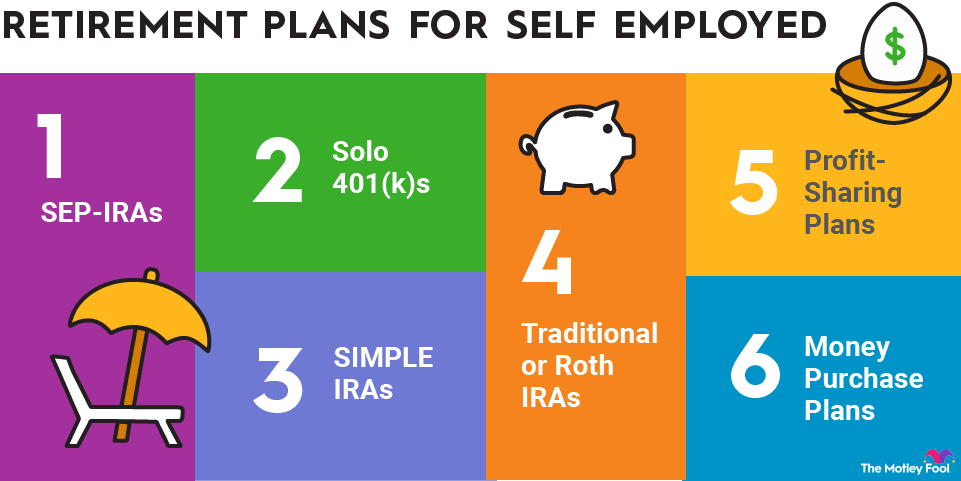
One of the biggest risks entrepreneurs face is underfunding retirement. Without employer-sponsored plans, retirement savings require deliberate action.
Common retirement options for business owners:
Solo 401(k)
Ideal for solo entrepreneurs or business owners with no full-time employees. Allows both employee and employer contributions.
SEP IRA
Simple to administer and flexible, especially for businesses with variable income.
Traditional or Roth IRA
Useful as supplemental retirement accounts, though contribution limits are lower.
Why retirement planning is often delayed:
- Cash flow uncertainty
- Focus on reinvesting in the business
- Expectation that the business will fund retirement
While reinvesting in a business is valuable, relying solely on a future sale is risky.
👉 A strong retirement plan diversifies risk beyond your business.
🔄 Managing Cash Flow During Business Cycles
Cash flow—not profit—is what keeps businesses alive. Entrepreneurs must plan for fluctuations caused by seasonality, economic cycles, and unexpected expenses.
Common cash flow challenges:
Irregular revenue
- Delayed client payments
- Fixed expenses during slow periods
- Overexpansion during high-income periods
Cash flow management best practices:
- Maintain a business emergency fund
- Forecast cash flow regularly
- Separate operating cash from savings
- Avoid lifestyle inflation during strong months
- Build reserves during profitable periods
Managing cash flow well allows business owners to:
- Weather downturns
- Avoid high-interest debt
- Make confident growth decisions
👉 Strong cash flow discipline creates business resilience.
🧠 The Entrepreneur’s Personal Financial Safety Net

Entrepreneurs often underestimate the importance of personal financial buffers.
Key components of a strong safety net:
- 6–12 months of personal living expenses
- Separate business reserves
- Health and disability insurance
- Liability coverage
Without employer benefits, entrepreneurs must self-insure against financial shocks.
👉 Stability outside the business strengthens decision-making inside it.
📊 Aligning Business Goals With Personal Financial Goals
Many entrepreneurs focus entirely on business growth while neglecting personal financial progress.
Key alignment questions include:
- How much income do I need personally?
- How much should stay in the business?
- When should I diversify outside the business?
- What does financial independence look like for me?
Clear answers prevent burnout and financial imbalance.
👉 The business should support your life—not replace it.
⚠️ Common Financial Mistakes Business Owners Make

Awareness helps avoid costly errors.
Common mistakes include:
❌ Using business accounts for personal spending
❌ Failing to plan for taxes
❌ Ignoring retirement planning
❌ Overexpanding during good years
❌ Relying solely on the business for wealth
These mistakes don’t usually show up immediately—but they compound over time.
🔄 Planning for Business Growth and Exit

Whether or not selling your business is part of your plan, exit planning matters.
Consider:
Business valuation and transferability
- Tax impact of a sale
- Diversification after exit
- Succession planning
Waiting too long to plan limits options.
👉 Exit planning isn’t about leaving—it’s about optionality.
🧩 Building a Sustainable Entrepreneurial Financial System


The most successful entrepreneurs build systems that:
- Separate emotion from finances
- Create consistency despite volatility
- Balance growth with protection
- Support long-term personal wealth
Sustainability—not constant hustle—is what creates lasting success.
✅ Final Thoughts
Financial planning for entrepreneurs is not about complexity—it’s about intention. By separating personal and business finances, planning for taxes and retirement, managing cash flow wisely, and aligning business goals with personal life goals, entrepreneurs can build both successful businesses and secure financial futures.
Revenue creates opportunity.
Structure creates sustainability.
When business owners plan intentionally, financial freedom becomes a byproduct of smart decisions—not just hard work.