Gen Z Dating Trends in US: Navigating Modern Romance

Gen Z in the US approaches dating with a distinct blend of digital fluency and a strong emphasis on authenticity and emotional intelligence, reshaping traditional romantic paradigms.
When we talk about Gen Z Dating Trends in the US, we are exploring a fascinating shift in how young adults approach romance, connection, and relationships. This generation, born roughly between 1997 and 2012, is not just tech-savvy; they are fundamentally redefining what dating means in an increasingly digital and socially conscious world. What does this mean for finding love and companionship today?
The digital native advantage: Dating in a screen-first world
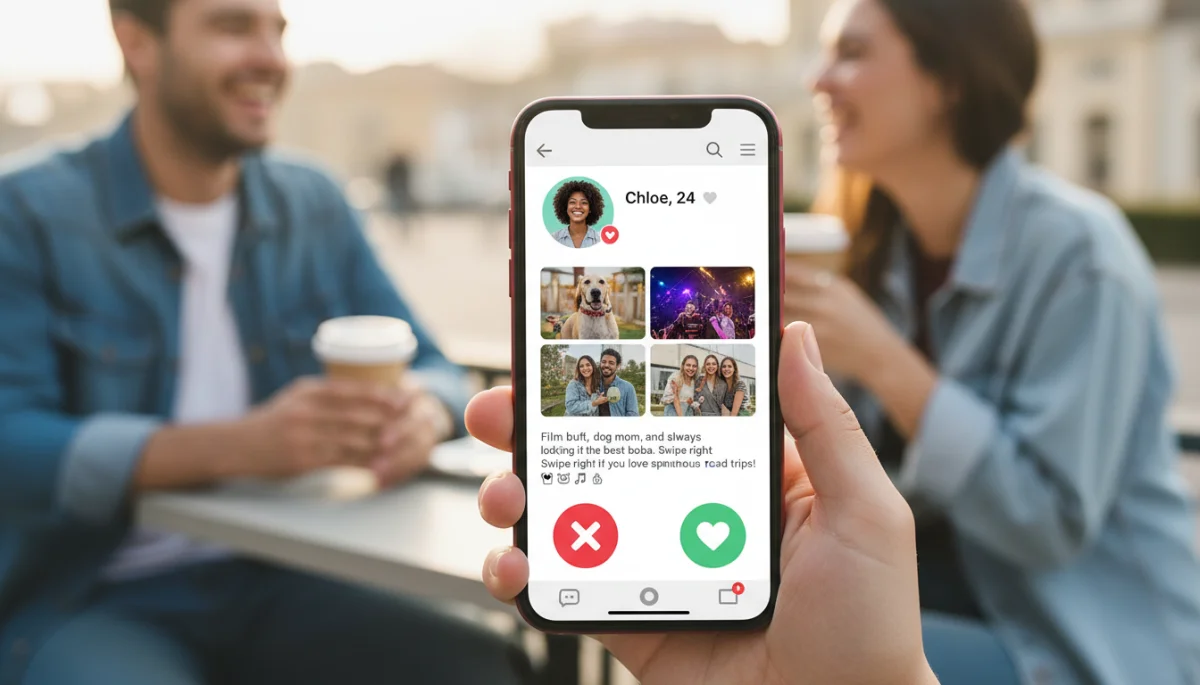
Gen Z is the first generation to grow up entirely immersed in the digital age, and this has profoundly shaped their dating habits. From swiping on apps to engaging on social media, their romantic journeys often begin and evolve online, making virtual interactions as significant as face-to-face ones. This digital fluency offers both opportunities and challenges in the quest for connection.
The sheer volume of dating apps and platforms available means Gen Z has an unprecedented number of options at their fingertips. However, this abundance can also lead to decision fatigue and a sense of superficiality, prompting many to seek deeper, more meaningful connections beyond the initial swipe. The digital landscape is not just a tool for meeting people; it’s an integral part of how relationships are formed, maintained, and sometimes ended.
Dating apps: More than just a swipe
- Intentionality: Many Gen Z users are moving past casual swiping, seeking apps that facilitate more serious connections. They value profiles that offer insight into personality and values.
- Video calls: Pre-date video calls have become commonplace, serving as a low-pressure way to gauge compatibility before committing to an in-person meeting. This saves time and reduces anxiety.
- Social media vetting: Before a first date, it’s common for Gen Z to check out a potential partner’s social media profiles. This helps them gather more information and ensure authenticity.
The integration of social media into dating extends beyond initial vetting. Platforms like Instagram and TikTok become spaces for soft launches of new relationships, sharing milestones, and expressing affection. This public display of affection, while sometimes performative, also serves to solidify relationships within their social circles. The digital world is not just a backdrop for their dating lives; it’s an active participant.
In conclusion, Gen Z’s digital native status fundamentally reshapes dating. While apps and social media offer vast opportunities for connection, they also necessitate a discerning approach to ensure authenticity and meaningful engagement. The blend of online and offline interactions defines their unique romantic journey.
Authenticity and vulnerability: Seeking real connections
Beyond the screens, Gen Z places a high premium on authenticity and vulnerability in their relationships. They are often wary of performative dating or relationships based on superficial traits. Instead, they seek partners who are genuine, open, and willing to engage on a deeper emotional level. This desire for realness is a defining characteristic of their romantic pursuits.
This generation has grown up in an era where mental health awareness is paramount, and this extends to their dating lives. They are more open to discussing emotions, boundaries, and personal well-being from the outset, fostering environments where vulnerability is encouraged rather than seen as a weakness. This focus on emotional intelligence contributes to more robust and honest connections.
Prioritizing emotional intelligence
- Open communication: Gen Z is more likely to engage in direct and honest conversations about feelings, expectations, and relationship status. Ghosting is generally frowned upon.
- Boundaries: Setting and respecting personal boundaries is crucial. This includes physical, emotional, and digital boundaries, ensuring mutual comfort and respect.
- Self-awareness: Individuals are encouraged to understand their own emotional needs and communicate them effectively, leading to more balanced and fulfilling partnerships.
The emphasis on authenticity also means a rejection of traditional gender roles and expectations in dating. Gen Z is more likely to challenge outdated norms, opting for egalitarian relationships where both partners contribute equally and respect each other’s individuality. This progressive mindset fosters a more inclusive and equitable dating landscape.
Ultimately, Gen Z’s pursuit of authenticity and vulnerability reflects a desire for relationships that are built on a solid foundation of mutual respect and genuine understanding. They are not afraid to be themselves and expect the same from their partners, leading to more meaningful and resilient connections in a complex world.
Redefining commitment: Fluidity and intentionality
The concept of commitment for Gen Z is often more fluid and intentional than previous generations. While they value serious relationships, they are also less bound by traditional timelines or societal pressures to rush into marriage or long-term cohabitation. Instead, they prioritize personal growth and ensuring a partner truly aligns with their values and life goals.
This fluidity doesn’t necessarily mean a lack of commitment; rather, it signifies a more thoughtful and deliberate approach. They are willing to take their time, explore different dynamics, and ensure a relationship genuinely serves their well-being. This can manifest in various forms, from casual dating with clear communication to exclusive, but not necessarily fast-tracked, partnerships.
Slow burn romance and conscious coupling
Many Gen Z individuals opt for a “slow burn” approach to romance, allowing relationships to develop organically without predefined expectations. This often involves spending time getting to know someone as a friend before exploring romantic possibilities. The focus is on building a strong foundation of companionship and understanding.
- Situationships: A common term for undefined, often emotionally intimate, relationships that exist without the labels of traditional dating. While sometimes confusing, they can also allow for exploration without immediate pressure.
- Pre-commitment discussions: Before defining a relationship, Gen Z often engages in frank discussions about exclusivity, future aspirations, and individual boundaries, ensuring both parties are on the same page.
- Personal growth focus: They often view relationships as a means of personal growth, seeking partners who challenge and support their individual journeys rather than conforming to societal ideals.
The rise of intentionality also means a greater emphasis on consent culture and clear communication regarding desires and boundaries. This generation is more attuned to ensuring all parties are comfortable and enthusiastic about every step of a relationship, from the first date to more intimate interactions. This fosters a safer and more respectful dating environment.
In essence, Gen Z’s approach to commitment is characterized by a blend of fluidity and intentionality. They prioritize personal alignment and genuine connection over societal timelines, leading to relationships that are often more thoughtful and tailored to individual needs.
Social consciousness and shared values: A cornerstone of attraction
For Gen Z, attraction often extends beyond physical appearance or superficial interests. Shared social and political values play a significant role in determining compatibility. This generation is highly engaged with social justice issues, environmental concerns, and political discourse, and they seek partners who share their convictions and commitment to making a positive impact.
Dating profiles often include explicit mentions of political leanings, activism, or causes they support. This serves as a filter, helping them connect with like-minded individuals and avoid potential conflicts arising from differing worldviews. A shared sense of purpose and a commitment to social responsibility are powerful attractants.
Activism as a common ground
Participating in activism or supporting specific causes can be a significant bonding experience for Gen Z couples. Attending protests, volunteering, or engaging in discussions about social issues often strengthens their connection and reinforces their shared values.
- Ethical consumption: Many Gen Z individuals prioritize ethical and sustainable consumption. Finding a partner who shares these values, from food choices to fashion, is often important.
- Political alignment: Discrepancies in political views can be a deal-breaker. They seek partners who align with their core beliefs on equality, justice, and human rights.
- Intersectional awareness: Acknowledging and understanding intersectionality in social issues is highly valued. Partners who demonstrate this awareness are often seen as more desirable.
The influence of social consciousness means that superficial compatibility is often insufficient. Gen Z seeks partners who are not only emotionally available but also intellectually engaged and morally aligned. This leads to relationships that are often more profound and rooted in a shared vision for a better world.
To summarize, shared social consciousness and values are pivotal for Gen Z in dating. They look for partners who are not just companions but also allies in their commitment to social and ethical causes, creating relationships built on deeper resonance.
Mental health and well-being: Prioritizing self-care in relationships
Gen Z has grown up in an era where discussions about mental health are more open and destigmatized than ever before. This emphasis on well-being significantly influences their dating lives, as they prioritize partners who are emotionally intelligent, supportive, and respectful of their mental health needs. Self-care and mutual support are non-negotiable.
They are more likely to seek therapy, discuss anxiety or depression openly, and expect their partners to understand and accommodate these aspects of their lives. This fosters a more empathetic and understanding dating environment where vulnerability is seen as a strength rather than a weakness, contributing to healthier relationship dynamics.
Cultivating supportive partnerships
A supportive partner for Gen Z often means someone who actively listens, validates their feelings, and encourages them to prioritize their mental health. This can involve anything from giving space when needed to engaging in discussions about coping mechanisms.
- Openness about struggles: Gen Z is more comfortable sharing their mental health struggles with partners, expecting empathy and understanding in return.
- Therapy acceptance: There’s a high acceptance rate for therapy, and partners who also engage in self-improvement or seek professional help are often viewed positively.
- Avoiding toxic dynamics: They are quick to identify and disengage from relationships that exhibit manipulative, gaslighting, or emotionally draining behaviors, prioritizing their peace of mind.
The focus on mental health also translates into a greater awareness of consent and healthy boundaries within relationships. Gen Z is more attuned to signs of emotional manipulation or disrespect and is empowered to advocate for their own well-being, leading to relationships built on mutual respect and psychological safety.
In conclusion, mental health and well-being are central to Gen Z dating. They seek partners who are not only understanding and supportive but also actively contribute to a relationship environment where self-care and emotional honesty are paramount, leading to more resilient and nurturing connections.
The evolving future: What’s next for Gen Z dating?
As Gen Z continues to mature, their dating trends will undoubtedly evolve, reflecting broader societal shifts and technological advancements. One clear trajectory is the continued integration of digital tools, potentially moving beyond traditional dating apps to more immersive or augmented reality experiences. The boundaries between online and offline romance will likely become even more blurred.
Furthermore, the emphasis on individuality and personal growth is expected to persist, potentially leading to even more diverse relationship structures and definitions of commitment. Monogamy might continue to be the norm for many, but non-monogamous relationships, open relationships, and other alternative dynamics may become more openly accepted and explored within their cohort.
Emerging trends and predictions
- AI and dating: The integration of artificial intelligence in dating apps could offer more personalized matches, virtual dating assistants, or even AI companions to practice social skills.
- Hyper-personalization: Dating experiences will become increasingly tailored to individual preferences, values, and even specific neurodivergent needs, moving away from one-size-fits-all platforms.
- Community-focused dating: Beyond individual matches, platforms may emphasize connecting people through shared communities, hobbies, or social causes, fostering relationships within existing networks.
The focus on social consciousness and ethical considerations will also likely deepen. Gen Z may demand greater transparency from dating platforms regarding data privacy and algorithmic biases, pushing for more equitable and responsible digital dating environments. Their commitment to social justice will continue to inform their romantic choices and expectations.
Ultimately, the future of Gen Z dating appears to be one of constant innovation, driven by a generation that values authenticity, intentionality, and social impact. Their approach to romance is not just about finding a partner; it’s about finding a connection that aligns with their values and contributes positively to their lives and the world around them.
In summary, the future of Gen Z dating will likely involve deeper digital integration, more diverse relationship models, and an unwavering commitment to personal values and social consciousness, continually redefining the landscape of modern romance.
| Key Trend | Brief Description |
|---|---|
| Digital Native Approach | Dating primarily starts and evolves online, with apps and social media integral to relationship formation. |
| Authenticity & Vulnerability | High value placed on genuine connections, open communication, and emotional intelligence in partners. |
| Fluid Commitment | Relationships evolve with intentionality, often without traditional timelines, prioritizing personal growth. |
| Socially Conscious Dating | Shared social, political, and ethical values are key attractors, influencing compatibility and relationship depth. |
Frequently asked questions about Gen Z dating
Gen Z differentiates itself through its digital-first approach, strong emphasis on authenticity, emotional intelligence, and a greater focus on shared social values. Unlike previous generations, they are less bound by traditional dating norms and more open to diverse relationship structures, prioritizing mental well-being and clear communication from the outset.
Dating apps are fundamental for Gen Z, often serving as the primary initial point of connection. However, they use them with greater intentionality, often vetting potential partners through social media and engaging in video calls before meeting in person. Apps are tools for connection, but authenticity and deeper engagement are sought beyond the initial swipe.
Yes, commitment is important, but Gen Z redefines its meaning. They approach relationships with fluidity and intentionality, prioritizing personal growth and ensuring a partner aligns with their values before formalizing commitment. This often means a “slow burn” approach, taking time to build a strong foundation rather than rushing into traditional milestones.
Mental health significantly influences Gen Z dating. They prioritize partners who are emotionally intelligent, supportive, and respectful of their well-being. Open discussions about mental health, therapy acceptance, and a focus on healthy boundaries are crucial. They seek relationships that contribute positively to their psychological safety and personal growth.
Situationships are undefined, often emotionally intimate relationships that lack clear labels or traditional commitment. They are common among Gen Z because they allow for exploration and connection without the immediate pressure of traditional dating expectations. While sometimes ambiguous, they can offer space for personal growth and understanding before defining a relationship.
Conclusion: The evolving landscape of Gen Z romance
The landscape of Gen Z dating in the US is a dynamic and multifaceted realm, shaped by digital fluency, a profound commitment to authenticity, and a progressive mindset towards relationships. This generation is not merely adapting to modern challenges; they are actively redefining the rules of romance, emphasizing emotional intelligence, shared values, and personal well-being. As they navigate their romantic journeys, Gen Z continues to demonstrate a desire for connections that are not only meaningful but also reflective of their evolving identities and a world in constant flux. Understanding these trends is crucial for anyone seeking to connect with or comprehend the romantic experiences of this influential demographic.
