Navigating First Dates in the US: Communication Strategies

Navigating First Dates in the US: Communication Strategies are essential for building rapport, understanding potential partners, and ensuring a positive experience through thoughtful engagement and clear self-expression.
Navigating First Dates in the US: Communication Strategies can feel like a complex dance, especially with the unique nuances of American dating culture. This guide will help you understand how to make genuine connections and leave a lasting impression, ensuring your first date is both enjoyable and meaningful.
Understanding the American dating landscape
Dating in the United States comes with its own set of unwritten rules and expectations. Unlike some cultures where dating might be more formal or family-oriented from the outset, American first dates often focus on individual connection and mutual discovery. This initial encounter is typically a low-pressure opportunity for two people to gauge compatibility and chemistry, usually over a casual meal, drinks, or an activity. Understanding this foundational context is crucial for effective communication.
The emphasis is often on authenticity and finding common ground, rather than immediate commitment. This means that while politeness is always appreciated, genuine interest and a relaxed demeanor are highly valued. Being yourself, while also being mindful of social cues, is key to successfully navigating this initial stage.
The role of casual conversation
Casual conversation forms the backbone of an American first date. It’s not just about exchanging facts; it’s about exploring personalities, humor, and worldviews. Topics can range from hobbies and work to travel and aspirations. The goal is to keep the dialogue flowing naturally, allowing both individuals to contribute and learn about each other without feeling interrogated.
- Open-ended questions: Encourage deeper responses beyond simple ‘yes’ or ‘no’.
- Shared interests: Look for common ground to build conversation bridges.
- Lightheartedness: Keep the tone generally positive and enjoyable.
- Current events (light): Discussing non-controversial topics can show engagement with the world.
Ultimately, understanding the American dating landscape involves recognizing the value placed on individual connection, genuine interaction, and a relatively informal approach to initial encounters. Effective communication strategies are built upon this understanding, allowing you to present your authentic self while respectfully engaging with your date.
Mastering active listening skills
Active listening is perhaps the most underrated yet powerful communication tool on a first date. It goes beyond simply hearing words; it involves fully concentrating on what your date is saying, both verbally and non-verbally, and demonstrating that you are engaged and understanding. This skill shows respect and genuine interest, making your date feel valued and heard, which is fundamental for building any connection.
When you actively listen, you’re not just waiting for your turn to speak. You’re processing information, picking up on emotional cues, and formulating thoughtful responses that show you’ve absorbed what was communicated. This creates a much deeper and more meaningful interaction than a mere exchange of information.
Techniques for effective active listening
To truly master active listening, incorporate specific techniques into your conversation. These aren’t just polite gestures; they are active ways to ensure you’re fully present and your date feels it. They help prevent misunderstandings and foster a sense of connection.
- Maintain eye contact: Show you’re engaged without staring intensely.
- Nodding and affirmative gestures: Small physical cues that indicate you’re following along.
- Paraphrasing: Briefly rephrase what your date said to confirm understanding.
- Asking clarifying questions: Demonstrate interest and ensure you grasp their meaning.
Beyond these techniques, it’s also about being present in the moment. Put your phone away, minimize distractions, and give your date your undivided attention. This focus communicates that they are important and that you value the time you’re spending together. Active listening is not just a skill; it’s a mindset that prioritizes understanding and connection, making it indispensable for any successful first date in the US. 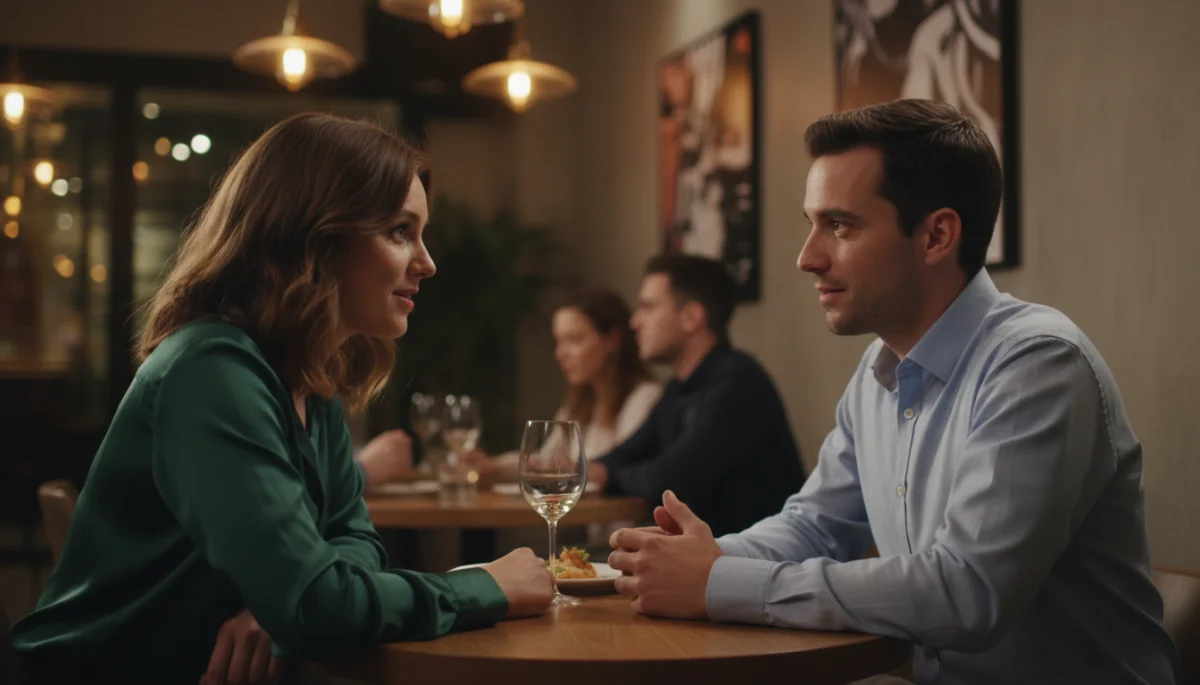
The art of asking engaging questions
Asking the right questions can transform a stagnant conversation into a vibrant dialogue. On a first date, questions serve as a gateway to understanding your date’s personality, values, and interests beyond superficial topics. The goal isn’t to interview them, but to invite them to share more about themselves in a way that feels natural and enjoyable. Thoughtful questions show genuine curiosity and can reveal compatibility.
Avoid questions that can be answered with a simple ‘yes’ or ‘no’. Instead, aim for open-ended inquiries that encourage storytelling and reflection. This approach allows your date to elaborate, share anecdotes, and express their true selves, giving you more insight into who they are.
Crafting questions that spark connection
The best questions are those that go beyond the surface and delve into passions, experiences, and perspectives. They should be appropriate for a first date – not too personal or intense, but engaging enough to create a deeper connection. Think about what you genuinely want to know about someone to determine if there’s potential for a second date.
- “What’s something you’re passionate about?” This invites them to talk about what truly excites them.
- “What’s the most interesting place you’ve traveled to and why?” Encourages sharing experiences and values.
- “What’s a skill you’d love to learn?” Reveals aspirations and interests.
- “What do you enjoy doing in your free time?” A classic that still provides good insight into hobbies and lifestyle.
Remember, the delivery of your questions is just as important as the questions themselves. Ask them with a warm, inviting tone, and be prepared to listen actively to their answers. Follow up with related questions to show you’re paying attention and genuinely interested in their responses. This reciprocal exchange is key to building rapport and making the conversation memorable.
Non-verbal communication: more than just words
While spoken words carry significant weight, a substantial portion of our communication occurs non-verbally. On a first date, your body language, facial expressions, and gestures speak volumes before you even utter a word. Understanding and effectively utilizing non-verbal cues can significantly enhance your ability to connect and convey confidence, warmth, and genuine interest, or, if not managed, can send unintended messages.
In American dating culture, openness and approachability are highly valued. Non-verbal signals that convey these qualities can make a date feel more comfortable and encourage them to open up. Conversely, closed-off body language might inadvertently suggest disinterest or nervousness, even if that’s not your intention.
Key non-verbal cues to consider
Paying attention to your own non-verbal communication, as well as observing your date’s, can provide valuable insights into the dynamic of the interaction. Small adjustments can make a big difference in how you are perceived and how comfortable your date feels.
- Open body language: Avoid crossing your arms; keep your posture relaxed and inviting.
- Smiling: A genuine smile conveys warmth, friendliness, and approachability.
- Eye contact: Maintain appropriate eye contact to show engagement, but avoid staring.
- Mirroring (subtly): Gently mimic your date’s gestures or posture to build rapport, but don’t overdo it.
Beyond these, consider your tone of voice – is it warm and engaging, or monotone? Your gestures – are they expressive or distracting? The overall impression you create through your non-verbal communication can significantly impact the success of a first date, often more than the specific words you choose. Being mindful of these cues ensures you’re sending the right signals.
Navigating sensitive topics and boundaries
First dates are primarily about lighthearted discovery, but sometimes conversations can inadvertently veer into more sensitive territory. Knowing how to navigate these moments gracefully, and understanding personal boundaries, is a crucial aspect of mature communication. While transparency is good, there’s a delicate balance between being open and oversharing or probing too deeply too soon.
In American dating, personal space and individual autonomy are highly regarded. This translates into respecting a date’s comfort level regarding topics and personal details. Pushing boundaries can quickly make someone uncomfortable and lead to a negative impression, regardless of your intentions.
Setting and respecting boundaries
It’s important to be aware of what topics might be considered too heavy for a first date and to be prepared to gently steer the conversation back to lighter subjects if necessary. Similarly, if your date touches on a topic you’re uncomfortable discussing, it’s perfectly acceptable to politely redirect.
- Avoid heavy topics: Steer clear of past relationships, politics, religion, or finances unless your date initiates and seems comfortable.
- Listen for cues: If your date gives short answers or changes the subject, they might be uncomfortable.
- Politely redirect: “That’s an interesting point, but I’d love to hear more about your recent trip to…”
- Be honest, but concise: If asked a sensitive question, you can offer a brief, honest answer without oversharing.
Ultimately, Navigating First Dates in the US: Communication Strategies regarding sensitive topics and boundaries is about mutual respect. It’s about creating a safe and comfortable environment where both individuals feel at ease, allowing for genuine connection to flourish without pressure or discomfort. This mindful approach ensures a positive experience for everyone involved. 
Ending the date gracefully and follow-up
The way a first date concludes and the subsequent follow-up are just as important as the date itself. A graceful ending leaves a positive final impression, and a thoughtful follow-up can pave the way for a second date. In American dating, clarity and respect in these final stages are highly valued, preventing ambiguity and fostering mutual understanding.
Avoid abrupt departures or vague statements. Instead, aim for a clear, polite, and appreciative closing that reflects the tone of the date. This shows maturity and consideration, regardless of whether you’re interested in pursuing things further.
Communicating interest (or lack thereof)
Deciding how to communicate your interest, or lack thereof, can be tricky. Honesty, tempered with kindness, is usually the best policy. If you had a good time and are interested in a second date, a simple and direct statement is often appreciated.
- Express gratitude: Thank them for their time and the enjoyable conversation.
- Verbalize interest: “I had a really great time tonight, I’d love to do this again.”
- Suggest a next step: “Let me know when you’re free next week, I’d like to take you to that new art exhibit.”
- Respectful decline (if not interested): If you’re not interested, a polite “It was lovely meeting you” without promising a follow-up is sufficient. Avoid leading them on.
Regarding follow-up, a text message within 24 hours is standard in American dating culture. A quick, polite message reiterating your enjoyment (if applicable) and suggesting a next step can be very effective. If you don’t hear back, or if your date expresses disinterest, respect their decision and move on. The key is to communicate clearly and respectfully, ensuring a positive experience even if a second date isn’t in the cards. This final act of communication solidifies your positive impression.
| Key Communication Strategy | Brief Description |
|---|---|
| Active Listening | Fully engage with your date’s words and non-verbal cues to show genuine interest. |
| Engaging Questions | Ask open-ended questions that encourage storytelling and reveal personality. |
| Non-Verbal Cues | Utilize positive body language, eye contact, and smiles to convey warmth and openness. |
| Boundary Respect | Avoid sensitive topics and respect comfort levels to maintain a positive atmosphere. |
Frequently asked questions about first date communication
Good conversation starters often revolve around shared experiences or light topics. Ask about their favorite local spots, recent travels, or a book/movie they enjoyed. Compliment something specific about their outfit or demeanor, then ask a related open-ended question to encourage dialogue.
Aim for balance. Share enough to be authentic and engaging, but avoid oversharing personal details or past relationship drama. Keep it relatively light and positive. The goal is to pique their interest for a second date, not to reveal your entire life story.
Yes, discussing your job is common, but focus on what you enjoy about it or interesting aspects, rather than just responsibilities. Ask about their work too, showing mutual interest. Avoid complaining or making it the sole topic of conversation, which can be draining.
Look for active engagement: they ask you questions, maintain eye contact, smile often, and lean in. They might also mirror your body language subtly. If they seem distracted, give short answers, or avoid eye contact, they might not be as interested.
Awkward silences are normal! Don’t panic. You can break it by asking a thoughtful question, commenting on your surroundings, or even acknowledging it lightly with humor. “Well, this is a moment of quiet reflection, isn’t it?” A brief pause can also be a chance to gather your thoughts.
Conclusion
Successfully Navigating First Dates in the US: Communication Strategies requires a blend of genuine interest, active listening, and thoughtful self-expression. By understanding the nuances of American dating culture, mastering both verbal and non-verbal cues, and approaching interactions with respect and authenticity, you can transform potentially nerve-wracking encounters into enjoyable and meaningful connections. Remember, the goal is to discover if there’s a spark, to learn about another person, and to present your best self in a relaxed and confident manner, setting the stage for future possibilities.
