Online Dating Safety: Essential Tips for US Singles

For US singles navigating the digital dating landscape, prioritizing online dating safety is paramount, requiring vigilance in protecting personal information, recognizing warning signs, and ensuring secure arrangements for any in-person meetings.
Diving into the world of digital romance can be exciting, offering a vast pool of potential connections. However, for US singles, understanding and implementing robust online dating safety measures is not just advisable, it’s absolutely essential. This guide aims to equip you with the knowledge and strategies to navigate this landscape securely, ensuring your pursuit of connection remains both enjoyable and safe.
Building a Secure Online Profile and Initial Interactions
Your online dating profile is your digital handshake, but it’s crucial to curate it carefully to protect your privacy. Think of it as a public persona that reveals just enough to pique interest without exposing sensitive details that could be exploited. Initial interactions, too, set the tone for safety, requiring a discerning eye and a cautious approach.
What Information to Share (and What to Hold Back)
When crafting your profile, a good rule of thumb is to share information that is generally available or does not pinpoint your exact location or daily routine. Avoid revealing your home address, workplace, or specific places you frequent. Instead, focus on hobbies, interests, and general lifestyle aspects that reflect who you are.
- Keep it vague: Instead of naming your company, say ‘works in tech’ or ‘healthcare professional.’
- No personal contact details: Never include your phone number, email, or social media handles directly in your profile.
- Anonymize photos: Ensure photos don’t reveal street signs, car license plates, or unique landmarks near your home.
Your goal is to present an appealing, authentic version of yourself without providing a roadmap to your private life. This balance is key to maintaining control over your personal security as you begin to explore potential matches.
Communicating Safely in App
The in-app messaging feature is your first line of defense. Stick to it for as long as possible. This keeps your personal contact information private and provides a record of conversations should any issues arise. Pay attention to how quickly someone pushes to move off the app.
Some individuals might try to rush the conversation to personal text or social media. While it’s natural to want to connect on a deeper level, exercising caution here is paramount. A genuine connection will understand and respect your boundaries regarding communication channels.
In conclusion, a secure online profile and careful initial interactions lay the groundwork for a safer online dating experience. By being mindful of the information you share and the communication channels you use, you empower yourself to control the narrative and protect your personal space.
Recognizing and Responding to Red Flags
Navigating online dating requires a keen eye for red flags – those subtle or not-so-subtle indicators that something isn’t quite right. Learning to identify these warnings early can save you from potentially dangerous or uncomfortable situations. Trusting your gut instinct is a powerful tool in this process.
Common Red Flags in Online Interactions
There are several behaviors and patterns that should raise suspicion. Be aware of profiles that seem too good to be true, or individuals who are overly eager to profess strong feelings very early on. These can often be tactics used by scammers or individuals with ill intentions.
- Inconsistent stories: Pay attention to details. If their stories change or contradict themselves, it’s a significant warning sign.
- Evasive answers: If they consistently avoid direct questions, especially about their background or intentions, be wary.
- Financial requests: Any request for money, no matter how small or seemingly urgent, is a major red flag.
Another common red flag is love bombing – an overwhelming display of affection and attention early in the interaction. While flattering, it can be a manipulation tactic to gain trust quickly. Take your time to get to know someone genuinely before investing emotionally.
What to Do When You Spot a Red Flag
If you encounter any red flags, your immediate response should be to prioritize your safety and well-being. Do not ignore your instincts. If something feels off, it probably is. You have every right to end a conversation or block a user if you feel uncomfortable or unsafe.
Most dating apps have reporting mechanisms. Utilize these tools to report suspicious profiles or behavior. This not only protects you but also helps other users avoid similar negative experiences. Remember, you don’t owe anyone an explanation for prioritizing your safety.
In summary, recognizing red flags is a critical skill for online dating safety. By being vigilant and acting decisively when you spot concerning behavior, you can significantly reduce your risk and ensure a more positive dating journey.
Planning Your First In-Person Meeting Safely
The transition from online chat to an in-person meeting is an exciting step, but it’s also where many crucial safety considerations come into play. Careful planning can make all the difference in ensuring a comfortable and secure experience. Never compromise on your safety for the sake of politeness or convenience.
Choosing the Right Location and Time
The location of your first date is paramount. Always choose a public place where there are other people around, such as a busy cafe, restaurant, or park during daylight hours. Avoid secluded spots or private residences for initial meetings. The goal is to maximize visibility and minimize vulnerability.
- Public places: Opt for well-known establishments with good foot traffic.
- Daylight hours: Early afternoon or evening in a bustling area is generally safer than late-night encounters.
- Independent travel: Arrange your own transportation to and from the date. Never rely on your date for a ride, especially the first time.
In addition to location, consider the timing. A coffee date or a quick drink allows you to assess the situation without committing to a long evening. If things go well, you can always extend the date or plan a second one. If not, you have an easy exit strategy.
Informing Friends and Having an Exit Strategy
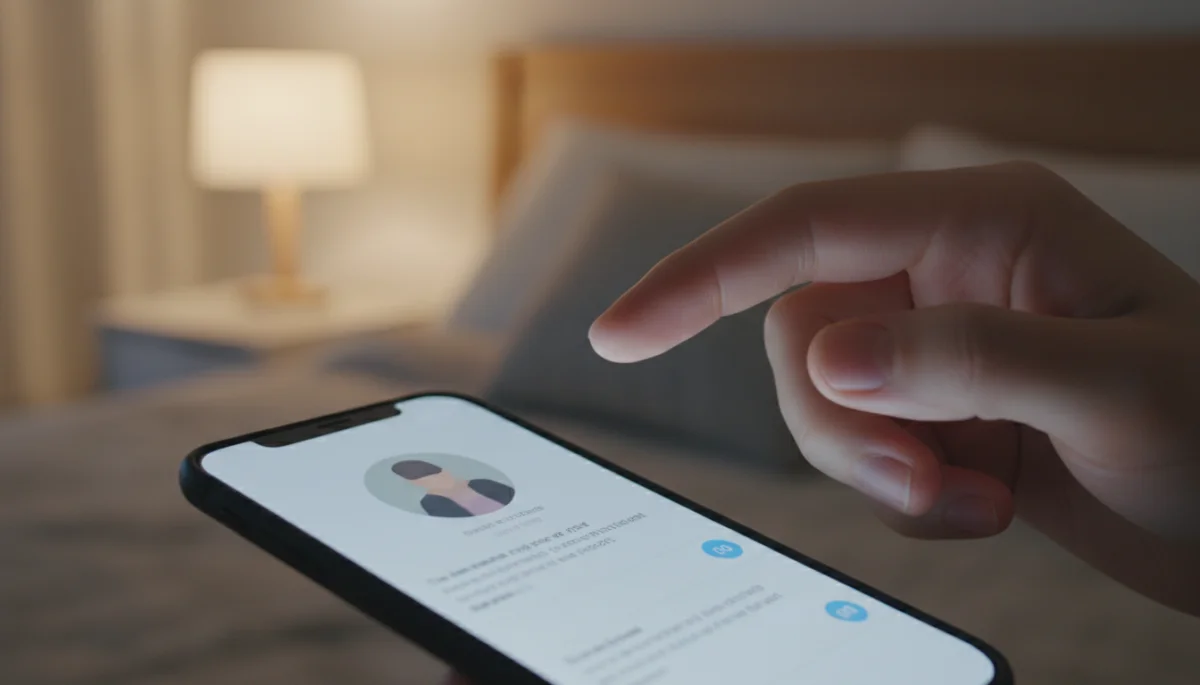
Before you even leave your home, make sure someone you trust knows your plans. Share the details of your date, including the person’s name, the location, and the approximate time. Consider sharing your live location with a friend or family member for an added layer of security.
It’s also wise to have a pre-arranged ‘check-in’ time with your friend. If they don’t hear from you by a certain hour, they can follow up. Additionally, always have an exit strategy. This could be a pre-planned excuse to leave, or simply the confidence to say ‘this isn’t working for me’ and depart.
Having your phone fully charged and easily accessible is another small but important safety measure. You should be able to make a call or call for a ride at any moment. Remember, your safety is your priority, and it’s perfectly acceptable to end a date if you feel uncomfortable or unsafe.
In conclusion, careful planning for your first in-person meeting, including choosing a public location, informing trusted individuals, and having a clear exit strategy, significantly enhances your online dating safety. These proactive steps ensure a more secure and enjoyable experience.
Protecting Your Personal Information Post-Match
Even after a successful first date, maintaining vigilance over your personal information remains crucial. The comfort that develops can sometimes lead to a relaxed approach to privacy, but it’s vital to continue protecting your details until a significant level of trust is established. This ongoing awareness is a cornerstone of online dating safety.
When to Share More Personal Details
There’s no definitive timeline for when to share more personal information, as trust builds at different rates for everyone. However, it’s generally advisable to proceed slowly. Avoid sharing sensitive details like your home address or financial information until you’ve had multiple in-person meetings and feel genuinely secure and comfortable with the person.
- Gradual disclosure: Introduce personal details incrementally, not all at once.
- Assess trustworthiness: Observe their consistency, respect for boundaries, and genuine interest in you over time.
- No financial sharing: Absolutely never share bank details, credit card numbers, or social security information.
Consider the information you’re sharing and its potential impact. While it might feel natural to open up, always pause to think if the information is truly necessary to share at that stage of the relationship. A trustworthy partner will respect your pace and boundaries.
Managing Your Digital Footprint
Your digital footprint extends beyond dating apps. Be mindful of what you post on social media and other online platforms. Even if your profiles are private, information can sometimes be pieced together. Review your privacy settings on all platforms and consider what kind of information you’re making publicly available.
If you decide to connect on social media, ensure your profiles don’t inadvertently reveal information you’ve intentionally kept private on dating apps. It’s a good practice to perform a quick search of your own name online to see what information is readily available about you. This can give you an idea of what a potential date might find.
In conclusion, protecting your personal information post-match involves a conscious effort to gradually disclose details and to manage your overall digital footprint. By maintaining these boundaries, you reinforce your online dating safety and ensure your personal security remains intact as a relationship develops.
Understanding and Reporting Online Harassment
Unfortunately, online dating is not immune to harassment. Being equipped to understand what constitutes harassment and knowing how to report it effectively are vital components of maintaining a safe online environment. No one should tolerate abusive or disrespectful behavior, and taking action is a sign of self-respect and empowerment.
Defining Online Harassment
Online harassment can manifest in various forms, from persistent unwanted messages to threats or discriminatory language. It’s any behavior that makes you feel uncomfortable, threatened, or distressed. This includes, but is not limited to, unsolicited explicit content, cyberstalking, hate speech, or continuous contact after you’ve expressed disinterest.
- Unwanted communication: Repeated messages after being asked to stop.
- Threats or intimidation: Any language that suggests harm or coercion.
- Discriminatory remarks: Attacks based on race, gender, religion, sexual orientation, etc.
It’s important to remember that harassment is not your fault. The responsibility lies entirely with the perpetrator. Recognizing these behaviors for what they are is the first step towards addressing them and protecting yourself.

Steps for Reporting and Seeking Support
If you experience online harassment, the first and most crucial step is to stop all communication with the harasser. Do not engage, respond, or try to reason with them. Block their profile immediately on the dating app and any other platforms where they might try to contact you.
Next, gather evidence. Take screenshots of messages, profiles, and any other relevant interactions. This documentation will be invaluable when reporting the incident. Most dating apps have clear guidelines and tools for reporting harassment. Utilize these features to formally report the user. Provide as much detail as possible, including the evidence you’ve collected.
If the harassment escalates or involves threats of physical harm, it’s imperative to contact local law enforcement. You can also seek support from friends, family, or professional organizations that specialize in online safety and victim support. You are not alone, and help is available.
In conclusion, understanding and promptly reporting online harassment is critical for your online dating safety. By recognizing harmful behaviors, documenting incidents, and seeking appropriate support, you can protect yourself and contribute to a safer online community for everyone.
Leveraging Technology for Enhanced Safety
Modern technology offers more than just platforms for connecting; it also provides powerful tools to enhance your personal safety while dating online. From app features to personal devices, leveraging these resources can add significant layers of protection. Being aware of and utilizing these options is a smart strategy for any US single.
In-App Safety Features and Settings
Many dating apps have integrated safety features designed to protect their users. These can include photo verification, which helps confirm a user’s identity, and in-app video calls, allowing you to see and speak to a match before meeting in person without sharing personal contact information. Explore the settings and safety sections of the apps you use.
- Photo verification: Look for verified profiles, indicated by a badge or checkmark, to reduce catfishing risks.
- Video call features: Use in-app video calls for a preliminary ‘meet’ before committing to an in-person date.
- Block and report functions: Familiarize yourself with how to quickly block and report users who make you uncomfortable.
Some apps also offer features like ‘unmatch’ options, which instantly remove a person from your matches and prevent them from contacting you further. Understanding how to use these tools effectively empowers you to take immediate action if a situation feels unsafe or uncomfortable.
Personal Safety Apps and Devices
Beyond dating apps, there are numerous personal safety applications and devices that can provide an extra layer of security. These range from apps that share your location with trusted contacts to discreet personal alarms. Consider integrating these tools into your dating routine, especially for first or early dates.
Many smartphones have built-in emergency features, such as SOS functions that can quickly alert emergency services or designated contacts with your location. Ensure these features are set up and that you know how to activate them quickly. Carrying a fully charged phone is always recommended.
In conclusion, actively utilizing the safety features within dating apps and integrating personal safety technology into your routine can significantly enhance your online dating safety. These tools provide both preventative measures and immediate assistance, empowering you to date with greater confidence and peace of mind.
Long-Term Safety Practices and Mindset
Online dating safety isn’t just about single incidents; it’s about cultivating a long-term mindset and consistent practices that prioritize your well-being. Developing a proactive and empowered approach will serve you well throughout your dating journey, ensuring you remain secure and confident in your pursuit of meaningful connections.
Cultivating a Safety-First Mindset
A safety-first mindset means consistently prioritizing your personal security above all else. This involves trusting your intuition, setting clear boundaries, and being assertive when necessary. It’s about understanding that you have the right to feel safe and comfortable in all dating interactions, both online and offline.
- Trust your gut: If something feels off, don’t ignore it.
- Set clear boundaries: Communicate your expectations and limits clearly and early on.
- Be assertive: Don’t hesitate to say ‘no’ or end an interaction if you feel uncomfortable.
This mindset also involves continuous learning and adapting. The online dating landscape evolves, and so should your safety practices. Stay informed about new scams, privacy concerns, and safety features available on platforms. Regularly review and update your privacy settings.
The Importance of Self-Care and Support Systems
Navigating the dating world, especially online, can sometimes be emotionally taxing. Prioritizing self-care is crucial. This means taking breaks when needed, processing experiences, and not letting negative interactions diminish your self-worth. Remember that your value is not determined by your dating success or failures.
Building and leaning on a strong support system of friends and family is equally important. Discuss your dating experiences with them, share your concerns, and seek their advice. Having people you trust to confide in can provide emotional resilience and practical advice, reinforcing your overall sense of safety and well-being.
In conclusion, long-term online dating safety is rooted in a proactive, safety-first mindset, supported by continuous self-care and a robust personal support system. By embedding these practices into your dating life, you ensure a more secure, positive, and empowering experience, fostering genuine connections while safeguarding your well-being.
| Key Aspect | Brief Description |
|---|---|
| Profile Privacy | Limit personal details; avoid sharing home, work, or specific location info. |
| Red Flag Recognition | Watch for inconsistent stories, evasiveness, and requests for money. |
| First Date Planning | Choose public places, inform a friend, arrange independent transport. |
| Tech Tools | Utilize in-app safety features and personal safety apps for added security. |
Frequently Asked Questions About Online Dating Safety
Look for photo verification badges on dating apps, cross-reference information with social media (if available and you feel comfortable), and pay attention to inconsistencies in their stories or profile details. A genuine person will usually have a more complete and coherent online presence.
Immediately cease communication with them. Any request for money, regardless of the reason or amount, is a major red flag and often indicates a scam. Report the profile to the dating app administrators and block the user to prevent further contact.
It’s generally safer to communicate through the dating app’s messaging system until you feel a significant level of trust and comfort. Only share your phone number when you are ready to move the conversation off-app and have established a good rapport after several safe interactions.
Simply state that you’re meeting someone new and, for safety, you’d like them to know where you’ll be and with whom. Share the location, time, and your date’s name. You can also agree on a check-in time, making it a routine safety measure rather than an anxious request.
Your safety and comfort always come first. It’s okay to end a date politely but firmly. You can use a pre-arranged excuse, or simply say, “I need to go.” Trust your instincts; being safe is never rude. Have an exit strategy ready, like a friend calling you.
Conclusion
Navigating the world of online dating as a US single can be incredibly rewarding, but it demands a proactive and informed approach to safety. By diligently protecting your personal information, recognizing red flags, planning in-person meetings with caution, leveraging technological safeguards, and cultivating a safety-first mindset, you empower yourself to seek genuine connections securely. Remember, your well-being is paramount, and by following these essential tips, you can enjoy the journey of finding companionship with confidence and peace of mind.
