The Evolution of Dating App Etiquette: Modern Norms
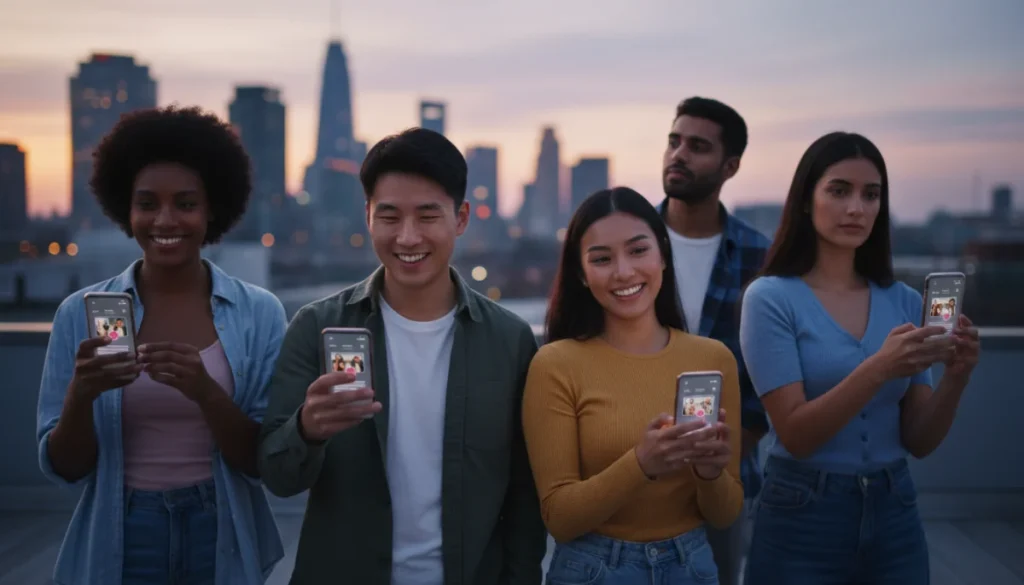
The evolution of dating app etiquette reflects significant shifts in modern social norms, influencing how individuals initiate, navigate, and maintain connections in the digital dating landscape.
Understanding dating app etiquette has become an essential skill in today’s digital age, as the rules of engagement continue to evolve rapidly. From the initial swipe to the first message and beyond, navigating online romance requires a nuanced approach that balances digital convenience with traditional courtesy.
The dawn of digital dating and initial norms
When dating apps first emerged, they introduced a revolutionary way for people to connect, fundamentally altering the landscape of romantic encounters. Initially, there was a wild west feel, with users experimenting to figure out what worked and what didn’t in this new digital frontier.
Early platforms like Match.com and eHarmony laid the groundwork, but it was the advent of swipe-based apps like Tinder that truly democratized online dating, making it accessible and, for many, less formal. This shift necessitated new unwritten rules for interaction.
The swipe culture and its implications
- Instant judgment: Users often made quick decisions based primarily on profile pictures, leading to a focus on superficial aesthetics.
- Ghosting: The ease of disappearing without explanation became a prevalent issue, leaving many feeling confused and disrespected.
- Volume over quality: The ability to match with many people simultaneously sometimes led to less invested conversations and a ‘next’ mentality.
The initial norms were often characterized by a trial-and-error approach, with users slowly learning what behaviors were acceptable and which were considered rude or ineffective. This period was crucial in shaping the foundation of current dating app etiquette, even if some early practices were far from ideal.
The early days of dating apps, while exciting, also highlighted the need for a more structured and respectful approach to digital interactions. Users quickly realized that while technology offered convenience, human connection still required thoughtful engagement.
Crafting an authentic profile: beyond the selfie
In the evolving world of dating apps, your profile is your digital first impression, and modern etiquette dictates that authenticity and effort are paramount. Gone are the days when a blurry selfie and a vague bio sufficed; today’s users expect a genuine glimpse into who you are.
A well-crafted profile is more than just a collection of photos; it’s a narrative that should reflect your personality, interests, and intentions. This approach helps attract compatible matches and sets a positive tone for future interactions.
The art of the bio: showcasing personality
Your bio is a golden opportunity to differentiate yourself from the crowd. Modern etiquette suggests being specific, humorous, and honest, rather than relying on clichés.
- Be specific: Instead of ‘I love to travel,’ mention a recent trip or a dream destination.
- Show, don’t just tell: Describe your hobbies with anecdotes or examples.
- Inject humor: A well-placed joke or witty remark can make your profile memorable.
- State intentions clearly (if comfortable): Whether you’re looking for something serious or casual, being upfront can save time and prevent misunderstandings.
Beyond the written word, the selection of photos has also evolved. While selfies still have a place, a diverse range of images that showcase different facets of your life—hobbies, social activities, and natural expressions—is now preferred. Group photos should be used sparingly, and it should always be clear which person you are. The goal is to provide a comprehensive, yet concise, representation of yourself that encourages meaningful engagement rather than superficial judgment.
Ultimately, an authentic profile is about transparency and genuine self-expression. It’s about inviting others to connect with the real you, fostering a foundation of honesty from the very beginning of the digital interaction.
The nuanced art of the first message
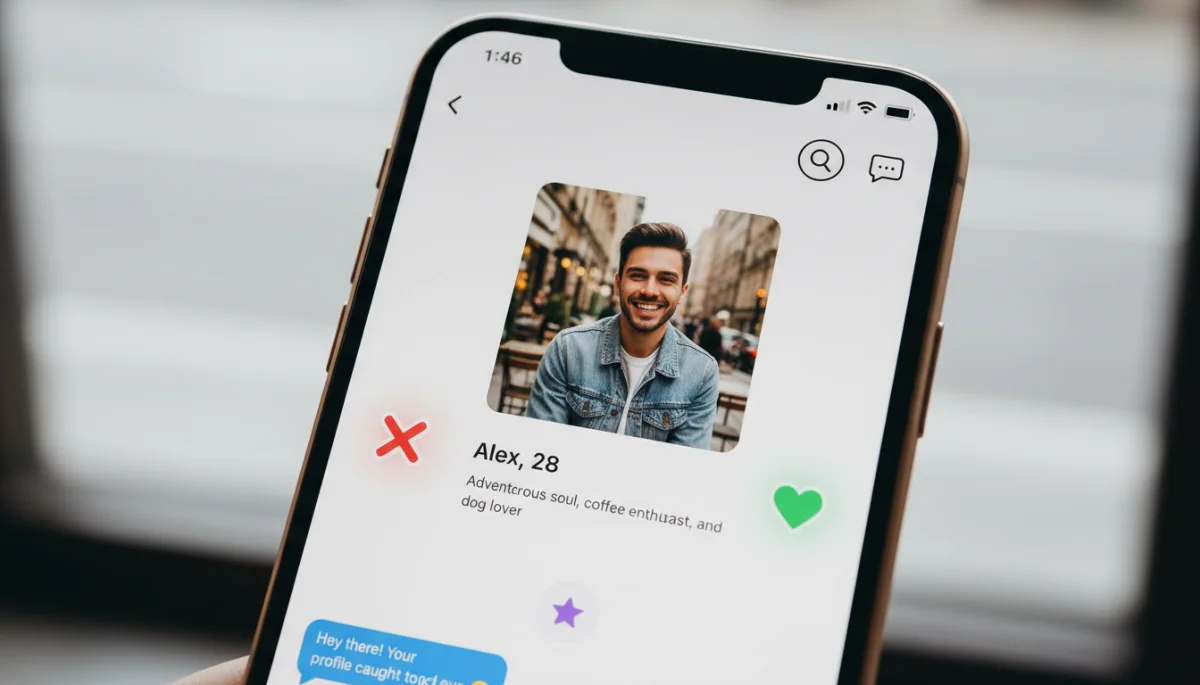
Sending the first message on a dating app has transitioned from a simple ‘hey’ to a more strategic and thoughtful endeavor. Modern dating app etiquette emphasizes personalization and genuine interest, moving away from generic greetings that often go unanswered.
The goal is to initiate a conversation that feels natural and engaging, setting the stage for a potentially deeper connection. This requires a little effort and attention to detail, demonstrating that you’ve actually read their profile.
Personalization is key: standing out from the crowd
A personalized opening message significantly increases your chances of a reply. It shows that you’ve taken the time to review their profile and found something specific to comment on.
- Reference their bio or photos: Mention a shared interest, a place they’ve traveled, or a hobby they’ve listed. For example, ‘I saw you’re a big fan of hiking in national parks – any favorites in the PNW?’
- Ask an open-ended question: This encourages a detailed response rather than a simple ‘yes’ or ‘no.’
- Keep it concise: While personalized, avoid writing a novel. A few thoughtful sentences are usually sufficient.
Avoid overly sexual or aggressive language in initial messages, as this is generally considered poor etiquette and can deter potential matches. Similarly, steer clear of generic compliments about appearance; instead, focus on aspects of their personality or interests. The objective is to spark a conversation, not to make a demand or an assumption.
The first message is your opportunity to showcase your personality and respect for the other person. By putting in a little extra effort, you not only improve your chances of a response but also contribute to a more positive and respectful dating app environment.
Navigating conversations: pacing, respect, and red flags
Once a conversation begins on a dating app, navigating its flow requires a delicate balance of pacing, mutual respect, and an awareness of potential red flags. The digital medium can sometimes obscure social cues, making clear communication and thoughtful engagement even more crucial.
Modern etiquette dictates a conversational rhythm that allows both parties to feel comfortable and heard, moving towards a potential in-person meeting at an appropriate time.
Pacing the conversation: from digital to real-world
The transition from app messages to a real-world date is a critical step. Rushing this process can feel overwhelming, while delaying too long can lead to fizzled connections.
- Maintain momentum: Respond in a timely manner, but avoid constant messaging that might seem overbearing.
- Suggest a call or video chat: Before meeting in person, a quick call or video chat can help gauge compatibility and reduce first-date anxiety.
- Propose a casual first date: A coffee or drink allows for a low-pressure interaction, making it easier to see if there’s genuine chemistry.
Respect is paramount throughout the conversation. This includes actively listening (or reading) and responding thoughtfully, avoiding unsolicited advice, and being mindful of boundaries. If someone expresses discomfort or disinterest, it’s essential to respect that and disengage gracefully. Ghosting, while unfortunately common, is generally considered poor etiquette. A polite, brief message indicating a lack of connection is always preferred.
Being aware of red flags is also a crucial part of navigating conversations. These might include overly intense declarations early on, evasiveness, or consistent negativity. Trust your instincts; if something feels off, it probably is. The goal is to foster a connection that is both exciting and safe, leading to positive experiences whether the relationship progresses or not.
The evolving dynamics of ghosting and unmatching
Ghosting and unmatching have become ubiquitous terms in the lexicon of modern dating, representing two distinct, yet related, phenomena that reflect the complex evolution of dating app etiquette. While both involve a sudden cessation of communication, understanding their nuances is key to navigating the digital dating landscape respectfully.
The prevalence of these behaviors highlights a broader discussion about accountability and consideration in online interactions, prompting many to advocate for more transparent and kinder approaches.
Understanding the impact and alternatives
Ghosting, the act of abruptly ending all communication without explanation, can leave the recipient feeling confused, hurt, and questioning their self-worth. It’s often a consequence of the low-stakes nature of online dating, where anonymity can reduce perceived accountability.
- Impact on mental well-being: Ghosting can lead to anxiety, self-doubt, and a reluctance to trust in future interactions.
- Lack of closure: The absence of an explanation often prevents individuals from processing the situation and moving on.
- Alternatives to ghosting: A simple, honest message, such as ‘I don’t think we’re a match, but I wish you the best,’ can provide clarity and respect.
Unmatching, on the other hand, is generally seen as a more direct and often less emotionally damaging action, especially if it occurs early in the interaction or when there’s a clear incompatibility. It’s a clear signal that one party wishes to end the connection on the app, and while it can still be disappointing, it provides a definitive end.
Modern dating app etiquette increasingly encourages open and honest communication, even when it’s difficult. While it might feel awkward to send a ‘rejection’ message, it’s a far more respectful approach than simply disappearing. This shift towards greater transparency aims to foster a more empathetic and mature dating environment, where individuals are treated with consideration, even if a romantic connection isn’t formed.
Post-date follow-up: digital courtesy after meeting
The etiquette surrounding post-date follow-up has significantly evolved, moving beyond traditional phone calls to embrace the speed and convenience of digital communication. However, this shift doesn’t negate the need for courtesy and clarity. After an in-person meeting, how you communicate can set the tone for any potential future interactions or provide a respectful conclusion.
The key is to strike a balance between expressing interest and respecting the other person’s space and decision-making process.

Timeliness and clarity in communication
Sending a message within 24 hours of a date is generally considered good etiquette. This shows appreciation for their time and indicates whether you enjoyed the encounter.
- Express thanks: A simple ‘Thanks for a great time tonight!’ is always a good start.
- State your interest clearly: If you want a second date, say so: ‘I had a really good time and would love to see you again.’
- Respect their response: If they decline or don’t respond, accept it gracefully without persistent messaging.
Conversely, if you didn’t feel a connection, it’s also good practice to communicate this kindly, rather than ghosting. A message like, ‘I enjoyed meeting you, but I don’t think we’re a match. I wish you the best!’ is clear and respectful. While it might feel uncomfortable to send such a message, it provides closure and avoids leaving the other person wondering.
Avoid playing games or being overly vague. Modern dating values directness and honesty. The goal of post-date communication is to either continue building a connection with clear intent or to respectfully conclude it, ensuring both parties are on the same page and treated with dignity.
The future of dating app etiquette: continuous evolution
The landscape of dating app etiquette is far from static; it is in a constant state of flux, shaped by technological advancements, societal shifts, and evolving expectations in human relationships. As new features emerge and cultural norms adapt, so too will the unwritten rules governing digital romance. Predicting the exact trajectory is challenging, but certain themes are likely to guide its future development.
The emphasis will likely remain on fostering more authentic, respectful, and safe interactions, pushing back against the more superficial or problematic aspects that have characterized early dating app experiences.
Emerging trends and ethical considerations
- Increased focus on safety: Platforms are implementing more robust verification processes and reporting mechanisms to protect users.
- Value-based matching: Algorithms are becoming more sophisticated, prioritizing shared values and deeper compatibility over superficial traits.
- Digital detoxes and mindful dating: A growing number of users are seeking to reduce screen time and engage in more intentional dating practices, leading to a slower, more deliberate approach.
- AI integration: Artificial intelligence may play a role in optimizing profile creation and even suggesting conversation starters, but its ethical implications will need careful consideration.
The future of dating app etiquette will likely involve a stronger emphasis on personal responsibility and digital citizenship. Users will be encouraged to be more accountable for their actions and to treat others with the same respect they would in person. This includes being clear about intentions, communicating honestly, and avoiding harmful behaviors like catfishing or harassment. The platforms themselves will also bear a greater responsibility in cultivating environments that promote healthy and positive interactions.
Ultimately, as technology continues to intertwine with our social lives, the evolution of dating app etiquette will mirror our collective desire for genuine connection in an increasingly digital world, continuously refining how we seek and build relationships online.
| Key Aspect | Modern Etiquette |
|---|---|
| Profile Authenticity | Prioritize genuine photos and detailed bios over superficial presentations. |
| First Message | Personalize greetings by referencing specific profile details, avoid generic ‘hey’. |
| Ghosting | Avoid ghosting; opt for a polite, clear message if not interested. |
| Post-Date Follow-up | Communicate interest or disinterest clearly and respectfully within 24 hours. |
Frequently asked questions about dating app etiquette
While there’s no strict rule, responding within a few hours to a day is generally considered good etiquette. This shows interest without appearing overly eager or unresponsive. Consistency in response time is more important than immediate replies.
It’s generally best to establish some rapport before asking for a number or a date. After a few meaningful exchanges, if the conversation flows well, suggesting a move off the app or a casual meeting is usually appropriate. Avoid rushing the process.
A polite and concise message is best. For example, ‘I’ve enjoyed chatting, but I don’t feel a strong connection. I wish you the best!’ This provides clarity and avoids leaving the other person wondering, which is more respectful than ghosting.
A simple, friendly acknowledgment is usually sufficient. A wave or a brief ‘hello’ is fine, but avoid making it awkward or overly familiar. Respect their space and let them lead the interaction, especially if you haven’t met formally yet.
Yes, being transparent about your intentions on your profile is highly recommended. It helps attract compatible matches and filters out those looking for something different, saving both parties time and potential disappointment in the long run.
Conclusion
The evolution of dating app etiquette underscores a continuous adaptation to the complexities of digital human connection. From the early days of casual swiping to today’s emphasis on authenticity, respect, and clear communication, the norms are constantly shifting to foster more meaningful and positive interactions. As technology advances, so too will our collective understanding of how to navigate online romance with grace and integrity. Embracing these evolving guidelines not only enhances personal dating experiences but also contributes to a more considerate and effective digital dating landscape for everyone.
