Affordable Long-Distance Travel within the U.S.
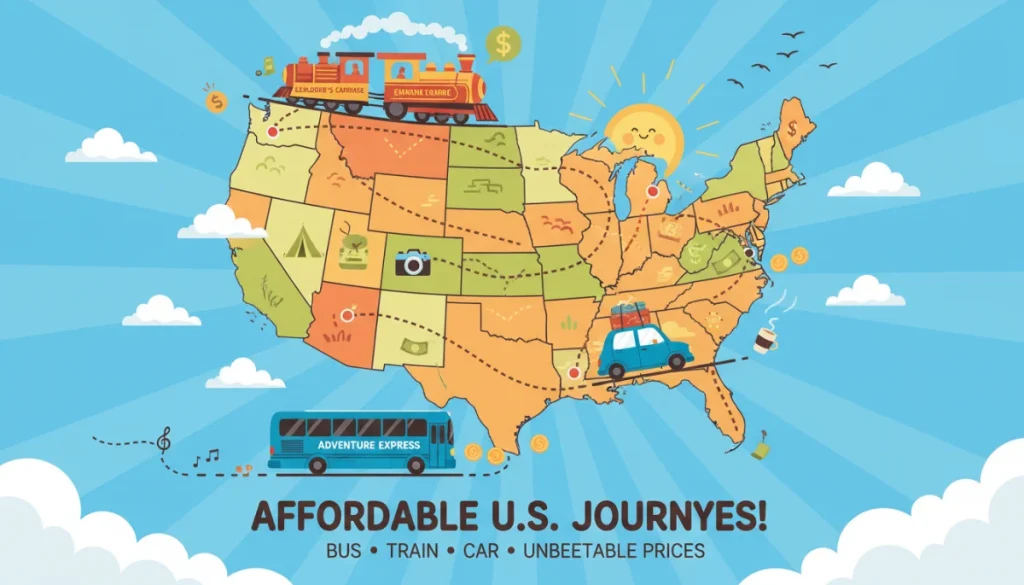
Mastering affordable long-distance travel within the U.S. involves strategic planning, leveraging various transportation options, and smart accommodation choices to maximize your budget and travel experiences.
Embarking on a journey across the vast American landscape doesn’t have to break the bank. This comprehensive guide to affordable long-distance travel within the U.S. unveils practical strategies and insider tips to help you explore the nation without overspending, proving that unforgettable adventures are accessible to everyone.
Understanding Your Travel Budget and Priorities
Before any journey begins, a clear understanding of your financial parameters is paramount. Defining your travel budget isn’t just about setting a number; it’s about prioritizing what matters most to you on your trip. Do you value unique experiences over luxurious stays, or is comfort a non-negotiable? Your answers will shape every subsequent decision, from choosing your mode of transport to selecting your accommodation.
Setting Realistic Financial Goals
Many travelers underestimate the cumulative costs of long-distance trips. Beyond the obvious expenses like transportation and lodging, remember to factor in food, activities, souvenirs, and a contingency fund for unexpected situations. A detailed budget spreadsheet can be your best friend, allowing you to track every dollar and adjust as needed.
- Transportation: Consider fuel, tolls, bus/train tickets, or flight costs.
- Accommodation: Factor in hotel stays, Airbnb, hostels, or camping fees.
- Food: Allocate funds for dining out, groceries, and snacks.
- Activities: Include museum entries, park fees, and entertainment.
Understanding your financial limits empowers you to make informed choices, ensuring your trip remains enjoyable and stress-free. It’s about balance: finding ways to save without sacrificing the essence of your travel experience.
The initial phase of budget planning dictates the entire trajectory of your affordable long-distance travel within the U.S. By setting realistic financial goals and understanding your priorities, you lay a solid foundation for a cost-effective and memorable adventure, avoiding financial surprises down the road.
Strategic Transportation: Getting There Without Overspending
Transportation often represents the largest portion of a long-distance travel budget. However, with careful planning and an openness to various modes, you can significantly reduce these costs. The key is to research and compare options, often outside of peak travel times, to find the most economical routes and methods.
Exploring Budget-Friendly Travel Modes
Each mode of transport offers unique advantages and disadvantages when it comes to cost and experience. For instance, buses and trains can be incredibly scenic and allow for relaxation, while carpooling offers flexibility and shared expenses. Flights, when booked strategically, can save time and sometimes even money on very long distances.
- Buses: Companies like Greyhound and Megabus offer extensive networks and often the lowest fares for intercity travel. Booking in advance can yield significant savings.
- Trains: Amtrak can be a comfortable and scenic option, especially with their saver fares or multi-segment passes. Off-peak travel is usually cheaper.
- Carpooling/Ride-sharing: Services like BlaBlaCar or even informal arrangements can split fuel costs and provide companionship.
- Driving Your Own Vehicle: This offers maximum flexibility but requires budgeting for fuel, tolls, maintenance, and potential overnight stops. Optimizing your route for fuel efficiency is crucial.
- Flights: While often perceived as expensive, budget airlines and deals found through aggregators like Skyscanner or Google Flights can offer competitive prices, especially for cross-country journeys when booked well in advance or during sales.
Considering the trade-offs between speed, comfort, and cost is essential. Sometimes, a slightly longer journey via bus or train can free up significant funds for experiences at your destination, making it a worthwhile compromise for affordable long-distance travel within the U.S.
Choosing the right transportation method is a cornerstone of budget travel. By exploring all available options and booking smartly, you can navigate the U.S. efficiently and affordably, ensuring your travel funds are maximized for your overall experience rather than just getting from point A to point B.
Smart Accommodation Solutions for Every Budget
Where you lay your head at night can dramatically impact your travel expenses. Thankfully, the U.S. offers a diverse array of accommodation options, catering to every budget and preference. From communal hostels to unique home-sharing experiences, there’s a way to find comfortable and affordable lodging for your journey.
Beyond Traditional Hotels: Unconventional Stays
While hotels offer convenience, exploring alternative accommodations can often lead to significant savings and more authentic travel experiences. Many travelers find that these options not only save money but also provide opportunities to connect with locals and discover hidden gems.
- Hostels: Ideal for solo travelers or groups, hostels offer dorm beds at a fraction of hotel prices. Many also have private rooms. They’re great for meeting other travelers.
- Airbnb/VRBO: Renting a room or an entire home can be cost-effective, especially for longer stays or groups. Look for places with kitchens to save on food costs.
- Camping/RV Parks: For the adventurous, national and state parks offer campsites that are incredibly affordable and provide access to stunning natural beauty. RV parks offer more amenities.
- House Sitting: Websites like TrustedHousesitters connect travelers with homeowners needing care for their homes and pets, offering free accommodation in exchange for duties.
- Couchsurfing: A community-based platform allowing travelers to stay with locals for free, fostering cultural exchange and genuine connections.
Booking well in advance, especially during peak season or for popular destinations, is always recommended to secure the best rates. Flexibility with your travel dates can also unlock better deals, as prices often fluctuate based on demand.
Securing affordable accommodation is a critical component of successful budget travel. By looking beyond conventional hotels and embracing a variety of lodging options, you can significantly reduce your expenses and enhance your overall experience of affordable long-distance travel within the U.S.
Fueling Your Journey: Eating Well on a Budget
Food expenses can quickly add up, especially when traveling long distances. However, with a few smart strategies, you can enjoy delicious meals without overspending. It’s all about balancing convenience with cost-effectiveness and making conscious choices about where and what you eat.
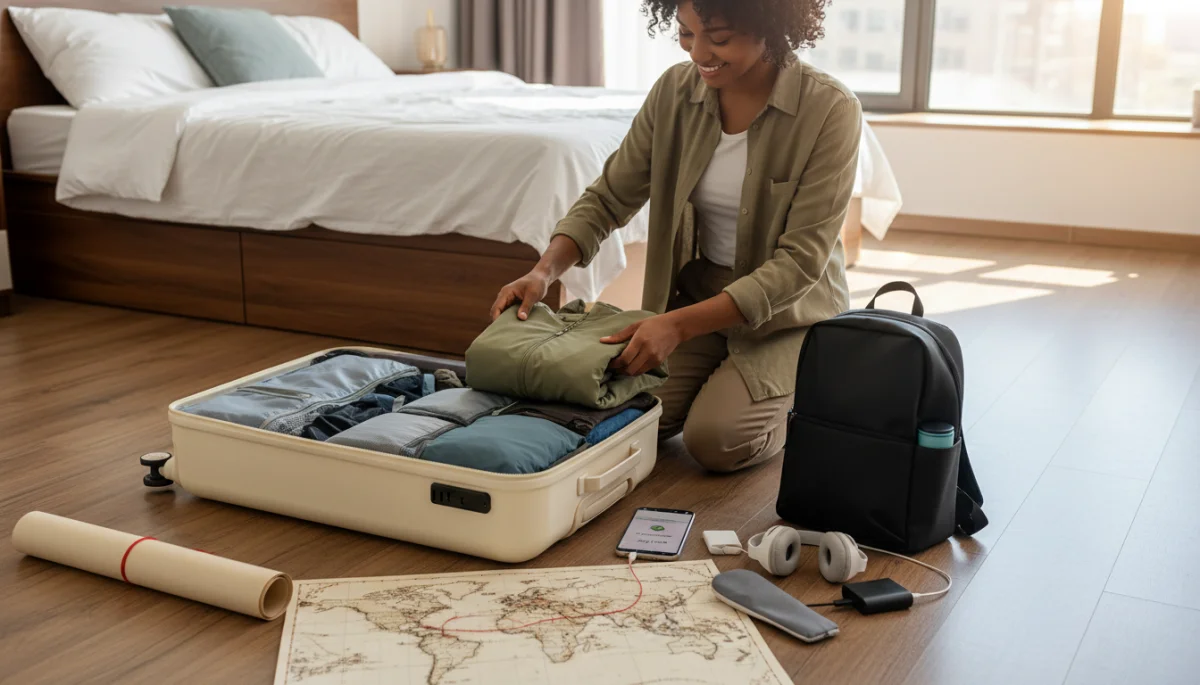
Savvy Food Strategies for Travelers
Planning your meals in advance and taking advantage of local resources are key tactics. This doesn’t mean sacrificing culinary exploration; rather, it encourages a more thoughtful approach to dining that integrates local flavors without draining your wallet.
- Cook Your Own Meals: If your accommodation has a kitchen, utilize it! Buying groceries and preparing your own meals is almost always cheaper than eating out.
- Pack Snacks and Drinks: Avoid overpriced convenience store stops by bringing your own snacks, water bottles, and coffee.
- Look for Lunch Specials: Many restaurants offer more affordable lunch menus compared to dinner. This is a great way to try local cuisine without the high price tag.
- Street Food and Food Trucks: Often offering delicious and inexpensive options, these can be a fantastic way to experience local flavors.
- Utilize Restaurant Apps and Deals: Apps like Groupon or specific restaurant loyalty programs can offer discounts or free items.
Don’t be afraid to ask locals for recommendations on affordable eateries. They often know the best hidden gems that offer great food at reasonable prices. Picnics in parks are also a delightful and cost-effective way to enjoy a meal, especially in scenic locations.
Managing your food budget intelligently is crucial for affordable long-distance travel within the U.S. By embracing a mix of self-catering, smart dining choices, and local recommendations, you can savor your journey without compromising your financial goals, ensuring every meal is both satisfying and economical.
Maximizing Experiences with Minimal Expenditure
Travel isn’t just about the journey and the destination; it’s about the experiences you gather along the way. Many incredible experiences across the U.S. are either free or very low cost, requiring only a bit of research and an open mind. Focusing on these can enrich your trip without stretching your budget.
Discovering Free and Low-Cost Activities
From national parks to vibrant city strolls, the U.S. offers a wealth of opportunities for memorable moments that don’t come with a hefty price tag. Engaging with the local environment and culture often costs nothing, yet provides the deepest insights.
- National and State Parks: Many offer free entry days, or you can invest in an annual pass if you plan to visit multiple parks. Hiking, picnicking, and wildlife viewing are typically free once inside.
- Free Walking Tours: Many major cities offer free walking tours (tip-based) that provide a great introduction to the area’s history and culture.
- Museum Free Days: Check local museum websites for free admission days or reduced-price evenings.
- Public Libraries and Community Events: Often host free talks, concerts, or exhibitions.
- Beaches and Lakes: Enjoy swimming, sunbathing, or simply relaxing by the water without any cost.
- Scenic Drives: The U.S. boasts countless stunning routes that are free to drive, offering breathtaking views and photo opportunities.
Embrace serendipity; sometimes the best experiences are found simply by wandering and observing. Engaging with locals, attending free outdoor concerts, or exploring public art installations can provide rich cultural experiences without any financial outlay, making your affordable long-distance travel within the U.S. truly enriching.
Focusing on free and low-cost activities allows you to deepen your travel experience without financial strain. By actively seeking out these opportunities, you can create a journey rich in memories and cultural immersion, proving that exploration doesn’t always require a hefty budget.
Leveraging Technology and Timing for Best Deals
In the digital age, technology is your greatest ally in finding affordable travel options. From price comparison websites to alert systems, a myriad of tools can help you secure the best deals on flights, accommodation, and even activities. The timing of your bookings and travel dates also plays a crucial role in cost savings.

Smart Tools and Seasonal Strategies
Being flexible with your travel dates and knowing when to book can unlock significant savings. Mid-week travel, off-season visits, and booking well in advance are often cited as the golden rules of budget travel, but combining these with technology amplifies their impact.
- Flight Comparison Sites: Use platforms like Google Flights, Skyscanner, and Kayak to compare prices across multiple airlines and identify the cheapest dates to fly.
- Accommodation Booking Platforms: Aggregators like Booking.com, Expedia, and Hotels.com often have deals, but also check direct hotel websites for exclusive offers.
- Price Alerts: Set up email alerts for flights and hotels to be notified when prices drop for your desired routes or dates.
- Incognito Browsing: Use incognito mode when searching for flights and hotels to prevent dynamic pricing based on your browsing history.
- Travel During Off-Peak Seasons: Prices for flights, accommodation, and attractions are significantly lower outside of major holidays and summer months. Consider shoulder seasons (spring and fall) for good weather and fewer crowds.
- Book in Advance: While last-minute deals can sometimes appear, booking flights and popular accommodations several months in advance generally yields better prices.
Signing up for newsletters from airlines, hotel chains, and travel deal websites can also provide access to exclusive promotions and flash sales. Being informed and proactive with your bookings is a powerful strategy for ensuring affordable long-distance travel within the U.S.
Harnessing technology and understanding the dynamics of travel seasonality are indispensable for budget-conscious travelers. By employing smart tools and strategic timing, you can significantly reduce your travel costs, making your dream of exploring the U.S. an affordable reality.
Embracing Flexibility and the Unexpected
While planning is crucial for affordable long-distance travel within the U.S., embracing flexibility can also lead to unexpected savings and richer experiences. Sometimes, the best deals or most memorable moments arise from a willingness to deviate from the original itinerary or adapt to new circumstances. Travel, by its nature, is unpredictable, and a flexible mindset can turn potential setbacks into advantages.
The Art of Spontaneous Savings
Being open to last-minute changes can sometimes lead to incredible opportunities, whether it’s a deeply discounted flight to an alternate destination or a free local event you stumble upon. This adaptability is a hallmark of experienced budget travelers who understand that strict adherence to a plan can sometimes mean missing out.
- Alternative Destinations: If your primary destination is too expensive, consider a nearby, less-traveled alternative that still offers similar attractions or experiences.
- Last-Minute Deals: Keep an eye out for last-minute hotel or flight deals, especially if your travel dates are flexible. These often pop up a few days or weeks before departure.
- Open-Ended Itineraries: Instead of booking every detail, leave some room for spontaneity. This allows you to take advantage of local recommendations or unexpected events.
- Embrace Public Transport: In cities, relying on buses, subways, or even walking can be cheaper and more immersive than taxis or ride-shares.
- Travel Insurance: While an upfront cost, comprehensive travel insurance can save you significant money and stress if unexpected events like cancellations or medical emergencies occur.
Remember that the spirit of travel often lies in discovery. Allowing yourself the freedom to explore off the beaten path, even if it means altering your initial plans, can lead to more authentic and ultimately more affordable experiences. Sometimes, the most memorable parts of a trip are the ones you didn’t plan for at all, making your affordable long-distance travel within the U.S. truly unique.
Ultimately, a balance between meticulous planning and a flexible mindset is key to successful and affordable long-distance travel within the U.S. By being prepared for the unexpected and open to new possibilities, you not only save money but also create a more dynamic and rewarding travel narrative.
| Key Strategy | Brief Description |
|---|---|
| Budget Planning | Define financial limits and prioritize spending for a stress-free trip. |
| Smart Transport | Compare buses, trains, carpooling, and budget flights; book in advance. |
| Affordable Stays | Explore hostels, Airbnb, camping, and house sitting for cost-effective lodging. |
| Tech & Timing | Use comparison sites, price alerts, and travel during off-peak seasons. |
Frequently Asked Questions About Affordable U.S. Travel
The cheapest way often involves a combination of buses (like Greyhound or Megabus) and carpooling. For certain routes, booking budget airline flights far in advance can also be surprisingly affordable, especially when compared to the time saved on a cross-country journey.
Look beyond traditional hotels. Hostels offer budget-friendly dorms or private rooms, while Airbnb and VRBO provide home-sharing options. Camping in national or state parks is also very cost-effective. Consider house sitting or Couchsurfing for free stays and unique cultural exchange.
Absolutely! Explore national and state parks, enjoy free walking tours in major cities, check for free museum days, visit public libraries for events, and relax on beaches or by lakes. Scenic drives also offer breathtaking views without cost, enriching your travel experience.
Generally, booking flights 2-3 months in advance for domestic travel yields the best prices. Avoid peak travel seasons like major holidays and summer. Mid-week travel (Tuesday to Thursday) and flying during off-peak hours can also significantly reduce airfare costs.
Prepare your own meals if your accommodation has a kitchen. Pack snacks and drinks to avoid impulse purchases. Look for lunch specials, explore local street food or food trucks, and utilize restaurant apps for deals. Asking locals for affordable eatery recommendations is also a great strategy.
Conclusion
Embarking on affordable long-distance travel within the U.S. is not merely a dream but an achievable reality with the right strategies and a flexible mindset. By meticulously planning your budget, creatively approaching transportation and accommodation, and embracing the wealth of free and low-cost experiences available, you can explore the vast and diverse landscapes of America without financial strain. Remember, the journey itself is as valuable as the destination, and with these tips, your next adventure across the U.S. can be both enriching and economical, proving that memorable travel truly is within everyone’s reach.
