Artificial Intelligence, Automation, and the Future of Personal Finance
How Technology Is Changing the Way We Manage Money
Advertiser
Artificial intelligence (AI) and automation are no longer futuristic concepts—they are already reshaping how Americans budget, invest, save, and make financial decisions. From automated savings tools to robo-advisors managing billions of dollars, technology is transforming personal finance into something more accessible, data-driven, and efficient.
But with these advancements come important questions. Can AI really make better financial decisions than humans? What are the risks of relying too heavily on automation? And how can consumers use these tools responsibly without giving up control?
Understanding how AI fits into personal finance is becoming just as important as understanding budgeting or investing basics.
In this article, you’ll learn:
- How AI is changing investing and budgeting
- The differences between robo-advisors and human advisors
- The risks and benefits of automated financial tools
- How consumers can use AI responsibly
🤖 How AI Is Changing Investing and Budgeting

AI excels at processing large amounts of data quickly, which makes it especially useful in financial applications.
AI in budgeting
Modern budgeting tools use AI to:
- Automatically categorize expenses
- Identify spending patterns
- Predict future cash flow
- Send alerts when spending goes off track
Instead of manually tracking every transaction, users receive real-time insights that help them adjust behavior faster.
AI in investing
In investing, AI is used to:
- Analyze market data and trends
- Rebalance portfolios automatically
- Optimize asset allocation based on risk tolerance
- Reduce emotional decision-making
For everyday investors, this means access to tools that were once available only to large institutions.
👉 AI doesn’t eliminate decision-making—it enhances it with better information and speed.
📊 Robo-Advisors vs. Human Advisors

One of the most visible uses of AI in finance is the rise of robo-advisors—automated investment platforms that manage portfolios with minimal human involvement.
Robo-advisors: strengths and limitations
Pros:
- Low fees compared to traditional advisors
- Automated portfolio management
- Easy access for beginners
- Consistent, rules-based investing
Cons:
- Limited personalization
- No emotional or behavioral coaching
- Less useful for complex financial situations
Robo-advisors work best for investors with straightforward goals and a long-term mindset.
Human financial advisors: strengths and limitations
Pros:
- Personalized planning
- Emotional and behavioral guidance
- Help with complex situations (taxes, estate planning, life transitions)
Cons:
- Higher fees
- Quality varies by advisor
- Less automation
The hybrid future
Many platforms now combine AI-driven tools with human oversight, offering:
- Automated investing plus access to advisors
- Lower costs with more personalization
👉 The future of financial advice is likely collaborative, not purely automated.
⚙️ Risks and Benefits of Automated Financial Tools

Automation can dramatically improve financial consistency—but it’s not risk-free.
Key benefits of automation:
Removes emotion from routine decisions
- Encourages consistency in saving and investing
- Reduces human error
- Saves time and mental energy
Automated tools are especially effective for:
- Retirement contributions
- Bill payments
- Emergency savings
- Portfolio rebalancing
Potential risks to watch out for:
- Over-reliance without understanding
- Poor assumptions baked into algorithms
- Lack of flexibility in unusual situations
- Data privacy and security concerns
Automation works best when users understand what the tool is doing and why.
👉 Technology should support financial decisions—not replace responsibility.
🧠 Behavioral Finance and AI

One of AI’s biggest advantages is its ability to counteract common behavioral mistakes.
AI tools help reduce:
- Panic selling during market downturns
- Overtrading due to overconfidence
- Budgeting fatigue and decision overload
By following predefined rules, automated systems help investors stick to long-term strategies—even during emotionally charged market conditions.
However, AI cannot:
- Understand personal stress or life events
- Replace accountability
- Adjust goals based on emotional readiness
👉 AI is powerful, but self-awareness still matters.
🔐 Data, Privacy, and Trust in AI Finance

Using AI-driven financial tools requires sharing sensitive financial data. This makes trust and security critical considerations.
What consumers should look for:
- Strong encryption and data protection policies
- Clear privacy disclosures
- Two-factor authentication
- Transparency about how data is used
Consumers should also be cautious about:
- Giving access to unnecessary accounts
- Using tools from unverified providers
- Ignoring security updates or alerts
👉 Convenience should never come at the cost of financial security.
🧭 How Consumers Can Use AI Responsibly

AI is most effective when used intentionally and thoughtfully.
Best practices for responsible use:
- Use AI to automate good habits, not risky behavior
- Understand the assumptions behind recommendations
- Regularly review automated decisions
- Combine technology with basic financial education
- Maintain the ability to override automated actions
AI should handle execution—you should set the direction.
📈 AI and the Democratization of Finance

One of the most positive impacts of AI in finance is increased access.
AI-powered tools have:
- Lowered investment minimums
- Reduced advisory costs
- Expanded access to financial planning
- Made financial education more personalized
This has helped younger investors, middle-income households, and first-time savers participate more actively in wealth-building.
👉 AI has the potential to reduce inequality—if used responsibly.
🔮 The Future of Personal Finance With AI
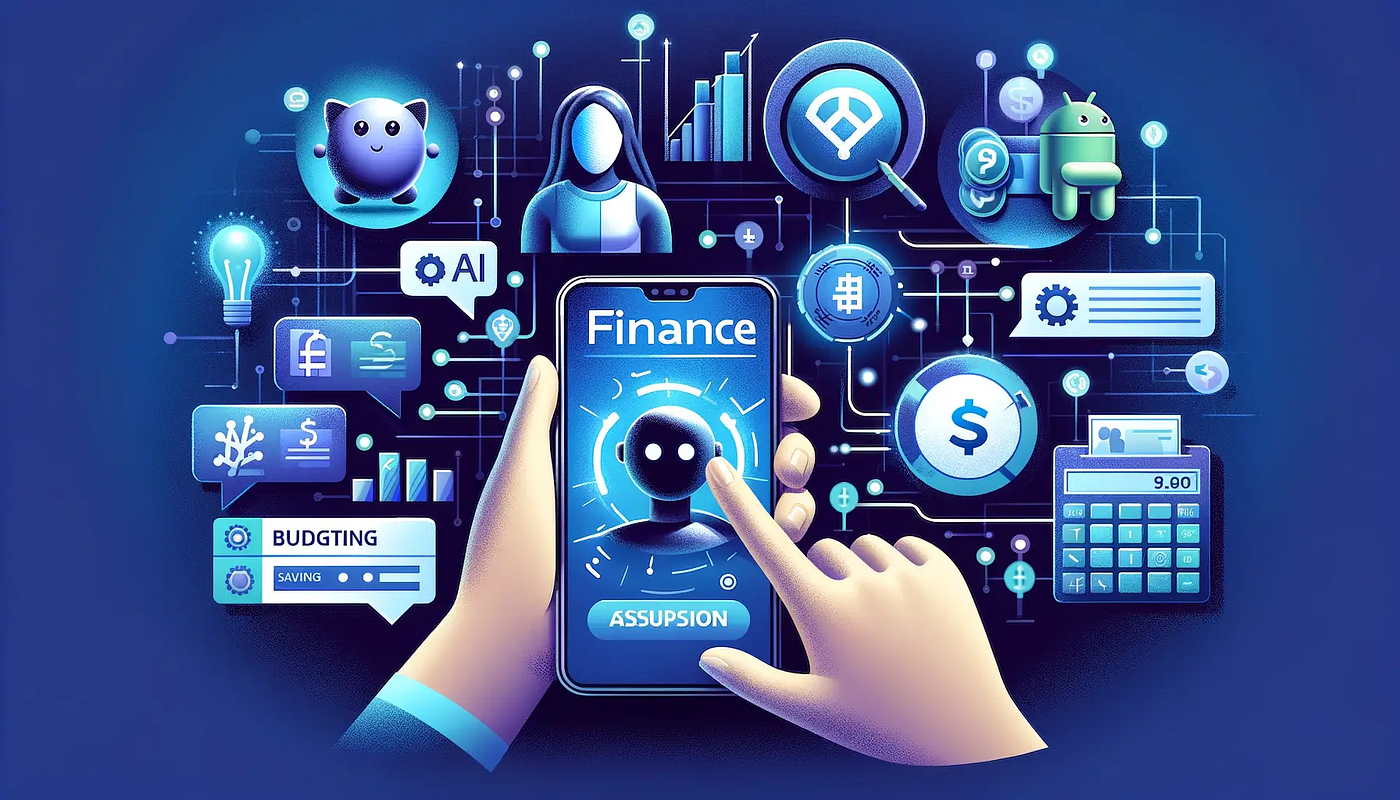
As AI technology evolves, personal finance tools will likely become:
- More personalized
- More predictive
- More integrated across platforms
- More proactive rather than reactive
Future tools may:
- Anticipate financial stress before it happens
- Suggest adjustments automatically
- Adapt strategies in real time as life changes
But no matter how advanced technology becomes, financial success will still depend on human judgment, values, and discipline.
✅ Final Thoughts
Artificial intelligence and automation are reshaping personal finance in powerful ways. They make investing more accessible, budgeting more efficient, and financial habits more consistent. But they are tools—not replacements for understanding, responsibility, or intention.
The smartest approach isn’t choosing between humans and machines. It’s learning how to combine technology with sound financial principles.
When used responsibly, AI can help people:
- Reduce stress
- Avoid costly mistakes
- Stay disciplined
- Focus on long-term goals
The future of personal finance isn’t automated—it’s augmented.
Technology can guide execution.
You still define the purpose.