Emotional Intelligence in Conflict Resolution: Master Your Conflicts

Emotional intelligence in conflict resolution is the capacity to understand and manage one’s own emotions and recognize the emotions of others, which is vital for transforming disagreements into opportunities for growth and stronger relationships.
Have you ever found yourself in a disagreement, wishing you had a better way to navigate the tension? The ability to effectively handle conflicts is not just about logic or argument; it deeply involves understanding human emotions. This is where emotional intelligence in conflict resolution becomes indispensable, offering a powerful framework to transform potentially destructive clashes into constructive dialogues. It’s about more than just avoiding arguments; it’s about fostering understanding and strengthening bonds.
Understanding the core of emotional intelligence
Emotional intelligence, often abbreviated as EQ, refers to the capability of an individual to recognize their own emotions and those of others, discern between different feelings and label them appropriately, and use emotional information to guide thinking and behavior. It’s a foundational skill for navigating the complexities of human interaction, especially when tensions rise. Without a solid grasp of EQ, conflicts can quickly escalate, leading to misunderstandings and damaged relationships.
This critical skill involves several key components that work in synergy. Developing these components allows for a more nuanced and effective approach to any disagreement. It’s not an innate trait for most; rather, it’s a skill set that can be cultivated and refined over time through practice and conscious effort.
The five pillars of emotional intelligence
- Self-awareness: Recognizing one’s own emotions, strengths, weaknesses, values, and goals, and understanding their impact on others. This is the bedrock of emotional intelligence, as you cannot manage what you do not perceive.
- Self-regulation: Managing one’s own emotional states, impulses, and resources effectively. This includes controlling disruptive emotions and impulses and adapting to changing circumstances.
- Motivation: Being driven by intrinsic factors, such as a desire for achievement, rather than external rewards. It involves resilience and a positive outlook even in the face of setbacks.
- Empathy: Understanding and sharing the feelings of others. This goes beyond simply recognizing emotions; it involves truly stepping into another person’s shoes to grasp their perspective.
- Social skills: Managing relationships, building networks, and finding common ground to build rapport and trust. This encompasses effective communication, conflict management, and leadership.
Cultivating these pillars provides a robust toolkit for anyone seeking to improve their personal and professional relationships. When applied to conflict resolution, these skills become particularly potent, enabling individuals to approach disagreements with a calmer, more insightful, and ultimately, more productive mindset. The journey to mastering emotional intelligence is continuous, requiring consistent introspection and practice.
Understanding the core elements of emotional intelligence is the first step toward harnessing its power in all aspects of life, especially in high-stakes situations like conflict. By developing these foundational skills, individuals can transform their interactions, turning potential confrontations into opportunities for deeper connection and mutual respect.
The critical role of emotional intelligence in conflict resolution
When disagreements arise, the immediate human tendency is often to react defensively or aggressively. However, emotional intelligence offers an alternative, more constructive path. It allows individuals to pause, reflect, and choose a response rather than simply reacting. This measured approach is vital for de-escalating tension and fostering an environment where solutions can be found.
Conflicts are inherently emotionally charged. Without the ability to manage these emotions, both one’s own and those of others, productive dialogue becomes nearly impossible. Emotional intelligence provides the tools to navigate this emotional landscape, ensuring that discussions remain focused on the issue at hand, rather than devolving into personal attacks or emotional outbursts. It transforms the dynamic from a battle of wills to a collaborative problem-solving effort.
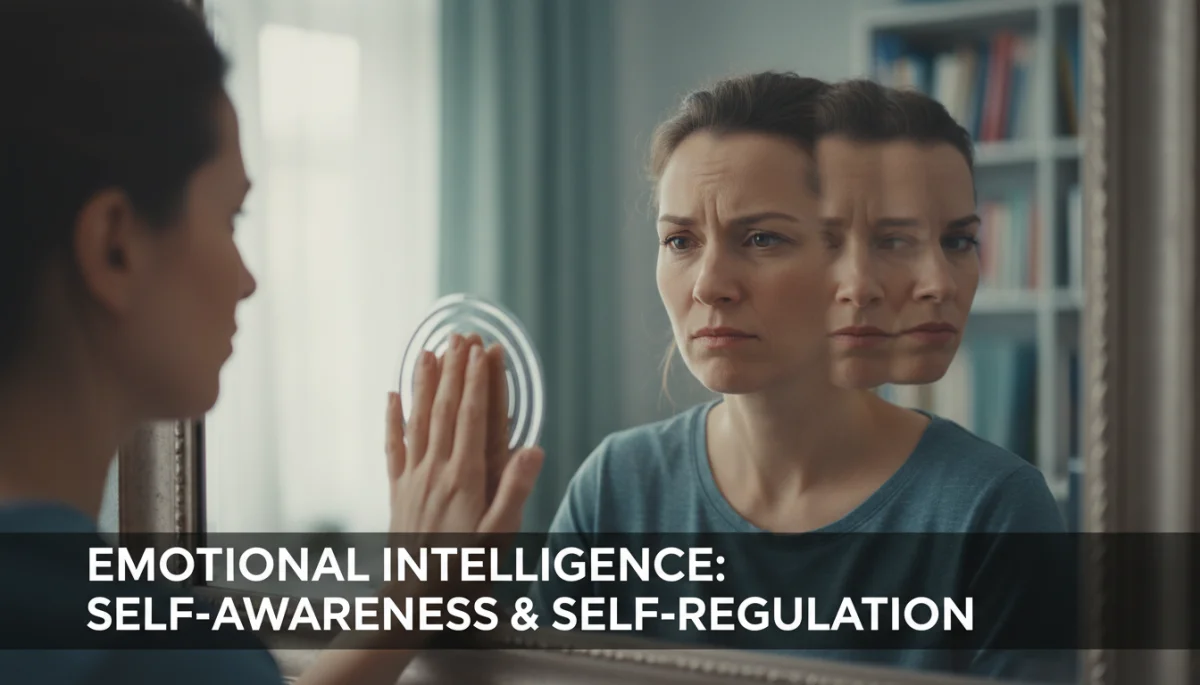
De-escalating tension through self-awareness and self-regulation
The first step in using emotional intelligence in a conflict is to achieve self-awareness. Recognizing your own triggers, biases, and emotional responses is crucial. Are you prone to anger? Do you withdraw? Understanding these patterns allows you to proactively manage your emotions. Self-regulation then comes into play, enabling you to control impulsive reactions that could further inflame the situation. This might involve taking a deep breath, stepping away for a moment, or consciously reframing your thoughts.
For example, if you know that a particular tone of voice from a colleague tends to irritate you, self-awareness allows you to recognize that irritation building. Self-regulation then empowers you to respond calmly, perhaps by saying, “I hear your concern, but I’m finding your tone difficult to process. Can we discuss this calmly?” rather than reacting defensively. This simple act can prevent a minor disagreement from escalating into a full-blown argument, demonstrating the immediate impact of applying emotional intelligence.
Empathy: the bridge to understanding in disputes
Empathy is arguably the most powerful component of emotional intelligence when it comes to resolving conflicts. It’s the ability to truly understand and share the feelings of another person. In a conflict, this means moving beyond your own perspective and trying to see the situation through the other person’s eyes. This doesn’t necessarily mean agreeing with them, but rather acknowledging and validating their emotions and experiences. When someone feels understood, their defensiveness often diminishes, opening the door for more productive communication.
Practicing empathy involves active listening, paying full attention to what the other person is saying, both verbally and non-verbally, without interrupting or formulating your own rebuttal. It also involves asking clarifying questions and reflecting back what you hear to ensure you’ve grasped their message correctly. This process not only helps you understand their point of view but also signals to them that you value their input, fostering trust and respect.
Techniques for cultivating empathy in conflict
- Active listening: Fully concentrating on what is being said, rather than just passively hearing the message. This includes paying attention to body language and tone of voice.
- Perspective-taking: Deliberately trying to imagine the situation from the other person’s viewpoint. What are their concerns? What are their fears? What are their underlying needs?
- Validating feelings: Acknowledging the other person’s emotions, even if you don’t agree with their reasoning. Phrases like “I can see why you feel frustrated” or “It sounds like this situation has been difficult for you” can be incredibly powerful.
- Asking open-ended questions: Encouraging the other person to elaborate on their thoughts and feelings, rather than giving yes/no answers. This deepens your understanding of their perspective.
By consciously employing these empathetic techniques, individuals can transform the emotional climate of a conflict. Instead of feeling adversarial, the interaction can become one of mutual exploration and problem-solving. Empathy builds bridges, creating a pathway for genuine connection and collaborative solutions, which are essential for lasting resolution.
Ultimately, empathy moves conflict resolution beyond mere compromise to a place of true understanding and often, innovative solutions that satisfy all parties involved. It reinforces the idea that resolving conflict isn’t about winning, but about finding common ground and preserving relationships.
Improving communication skills for healthier resolutions
Effective communication is the backbone of successful conflict resolution, and it is profoundly influenced by emotional intelligence. When emotions run high, communication can easily break down, leading to misinterpretations and further escalation. Emotional intelligence helps individuals maintain clarity, express themselves constructively, and ensure their message is received as intended.
Poor communication often stems from a lack of self-awareness regarding one’s own communication style or a lack of empathy for how the message might be perceived by others. By understanding these dynamics, individuals can adapt their communication to be more effective, especially during times of disagreement. It’s not just about what you say, but how you say it, and how well you listen.
Strategies for emotionally intelligent communication
One crucial strategy is to use “I” statements. Instead of saying, “You always interrupt me,” which can sound accusatory and trigger defensiveness, try, “I feel unheard when I’m interrupted.” This shifts the focus from blaming to expressing your own experience, which is less confrontational and more likely to invite a constructive response. It’s a way of owning your feelings while still addressing the issue.
Another key aspect is to choose the right time and place for discussions. Attempting to resolve a conflict when one or both parties are stressed, tired, or in a public setting is often counterproductive. Emotional intelligence advises waiting for a moment when both individuals can engage calmly and privately. This creates a more conducive environment for open and honest dialogue, increasing the chances of a positive outcome.
Furthermore, being mindful of non-verbal cues is essential. Your body language, facial expressions, and tone of voice often communicate more than your words. An emotionally intelligent individual pays attention to their own non-verbal signals and interprets those of others, ensuring alignment between verbal and non-verbal messages. This holistic approach to communication helps to build trust and prevent misunderstandings.
Improving communication skills through the lens of emotional intelligence means being intentional about how you express yourself and how you listen. It’s about creating an atmosphere where both parties feel safe to voice their concerns and work towards a resolution, rather than just stating their positions. This thoughtful approach transforms potentially damaging interactions into opportunities for growth and deeper connection.
Navigating workplace conflicts with emotional intelligence
Workplace conflicts are inevitable, but their impact can be significantly mitigated through the application of emotional intelligence. In a professional setting, unresolved conflicts can lead to decreased productivity, low morale, and even staff turnover. Emotional intelligence provides leaders and team members alike with the tools to address these issues head-on, fostering a more harmonious and productive environment.
The unique dynamics of a workplace often mean that conflicts are not just personal but also involve professional responsibilities, team goals, and organizational culture. An emotionally intelligent approach acknowledges these layers, seeking solutions that benefit both individuals and the wider team. It moves beyond simply assigning blame to understanding root causes and implementing sustainable solutions.
Practical applications in professional settings
- Mediating disagreements: Leaders with high emotional intelligence can act as effective mediators, helping conflicting parties articulate their concerns and find common ground. They facilitate dialogue rather than dictating solutions.
- Providing constructive feedback: Delivering feedback, especially critical feedback, requires sensitivity. Emotional intelligence allows managers to frame feedback in a way that is supportive and actionable, rather than demoralizing.
- Building cohesive teams: By fostering an environment where emotions are acknowledged and managed, emotionally intelligent individuals contribute to a culture of trust and psychological safety, which is crucial for team collaboration and innovation.
- Managing stress and pressure: High-pressure work environments can exacerbate conflicts. Emotional intelligence helps individuals and teams to self-regulate under stress, preventing emotional outbursts and maintaining focus on objectives.
Applying emotional intelligence in workplace conflicts means shifting from a reactive stance to a proactive one. It involves creating systems and fostering a culture where open communication and empathy are valued. This not only resolves current conflicts more effectively but also builds resilience against future disagreements, leading to a more engaged and productive workforce.
Ultimately, a workplace that embraces emotional intelligence in conflict resolution is one where challenges are seen as opportunities for growth, and relationships are strengthened rather than fractured. It’s a testament to the power of understanding and managing human emotions in a professional context.
Building stronger relationships through conflict resolution
The true power of applying emotional intelligence in conflict resolution extends far beyond simply ending a disagreement; it lies in its capacity to strengthen relationships. Every conflict, when handled with emotional intelligence, becomes an opportunity for deeper understanding, increased trust, and improved communication. Instead of eroding bonds, these interactions can fortify them, leading to more resilient and meaningful connections.
When individuals feel heard, understood, and respected during a conflict, even if their initial demands aren’t fully met, they are more likely to feel valued. This validation is a cornerstone of strong relationships. Emotional intelligence ensures that even during moments of tension, the fundamental respect for the other person remains intact, preventing lasting damage to the relationship.

From resolution to relationship enhancement
Consider a situation where two friends disagree on a significant decision. Without emotional intelligence, the argument might lead to hurt feelings and a strained friendship. However, with it, they can express their concerns calmly, listen empathetically to each other’s fears and hopes, and work together to find a solution that respects both perspectives. This process, though challenging, ultimately deepens their understanding of each other and reinforces their bond.
Emotional intelligence teaches us that conflict isn’t always about right or wrong, but often about unmet needs or differing perspectives. By focusing on these underlying elements, rather than just the surface-level argument, individuals can address the root causes of friction. This leads to solutions that are not merely compromises but genuine agreements that leave both parties feeling satisfied and closer.
Moreover, successfully navigating a conflict using emotional intelligence builds a history of positive resolution. This history creates a sense of psychological safety within the relationship, making future conflicts less daunting. Both parties learn that disagreements can be faced and overcome, fostering confidence in their ability to work through challenges together. This shared experience of overcoming adversity strengthens the foundation of any relationship, be it personal or professional.
In essence, emotional intelligence transforms conflict from a threat to an opportunity. It enables individuals to not only resolve immediate issues but also to invest in the long-term health and vitality of their relationships. By prioritizing understanding, empathy, and constructive communication, each resolved conflict becomes a building block for stronger, more resilient connections.
| Key Aspect | Impact on Conflict Resolution |
|---|---|
| Self-Awareness | Recognizing personal triggers prevents emotional overreactions. |
| Empathy | Understanding others’ perspectives fosters mutual respect and solutions. |
| Self-Regulation | Controlling impulses allows for calm, constructive dialogue. |
| Social Skills | Facilitates effective communication and collaborative problem-solving. |
Frequently asked questions about emotional intelligence in conflict resolution
The primary benefit is transforming potentially damaging conflicts into opportunities for growth and stronger relationships. It allows individuals to navigate disagreements constructively, fostering mutual understanding and respect rather than escalating tensions or causing lasting harm.
Self-awareness helps individuals recognize their own emotional triggers and reactions during a conflict. This understanding enables them to manage their impulses, respond thoughtfully instead of reactively, and prevent personal biases from negatively impacting the discussion, leading to calmer interactions.
Yes, empathy is crucial for conflict resolution. By understanding and acknowledging the other person’s perspective and feelings, even if you don’t agree, you create a foundation of trust and respect. This validation often de-escalates defensiveness, opening the door for collaborative problem-solving and finding common ground.
Social skills are vital for effective communication, negotiation, and building rapport during conflicts. They enable individuals to express their thoughts clearly, listen actively, and influence outcomes positively, ensuring that discussions remain productive and lead to mutually acceptable solutions rather than stalemates.
While logical reasoning is important for identifying solutions, emotional intelligence is often more critical in the initial stages of conflict. It manages the emotional climate, ensuring that rational discussions can even take place. Without emotional intelligence, logical arguments can be ineffective due to heightened emotions and communication breakdowns.
Conclusion
The journey to mastering emotional intelligence in conflict resolution is a powerful one, offering profound benefits for both personal and professional spheres. By cultivating self-awareness, self-regulation, motivation, empathy, and social skills, individuals can transform the landscape of their disagreements. Conflicts, often seen as obstacles, can become catalysts for deeper understanding, stronger relationships, and innovative solutions. Embracing emotional intelligence is not merely about avoiding arguments; it’s about enriching human connections and building a more harmonious world, one resolved conflict at a time.
