Financial Planning After Divorce or Major Life Changes
How to Rebuild Stability and Confidence
Advertiser
Major life changes—such as divorce, separation, the loss of a partner, or a sudden career shift—can dramatically reshape your financial life. Beyond the emotional impact, these transitions often bring new financial responsibilities, reduced income, and unfamiliar decisions.
Financial planning during these moments isn’t about perfection. It’s about regaining control, protecting yourself from costly mistakes, and rebuilding stability step by step. With the right approach, it’s possible not only to recover—but to create a stronger, more intentional financial foundation for the future.
In this article, you’ll learn:
- How to rebuild finances after divorce or separation
- Why updating beneficiaries and legal documents is critical
- How to manage money as a single-income household
- How to avoid common financial mistakes during emotional transitions
🔄 Rebuilding Finances After Divorce

Divorce is one of the most financially disruptive events a person can experience. Assets are divided, expenses increase, and income may drop—sometimes overnight.
Step 1: Reassess your full financial picture
Start by taking inventory of:
- Bank and investment accounts
- Retirement savings
- Debts and liabilities
- Monthly expenses
- Income sources
Clarity is empowering. Even if the numbers feel uncomfortable, knowing where you stand is the first step toward progress.
Step 2: Create a post-divorce budget
Your old budget no longer applies. Build a new one based on:
- Your current income
- Your new housing costs
- Healthcare and insurance changes
- Legal or support payments
Expect an adjustment period. Budgets after divorce often evolve over the first year.
Step 3: Rebuild emergency savings
If savings were depleted during the divorce process, prioritize rebuilding an emergency fund—even if you start small.
👉 Financial recovery is rarely instant, but steady progress restores confidence faster than avoidance.
🧾 Updating Beneficiaries and Legal Documents

One of the most overlooked—and dangerous—financial mistakes after divorce is failing to update legal and financial documents.
Documents that should be reviewed immediately:
- Life insurance beneficiaries
- Retirement account beneficiaries (401(k), IRA)
- Bank and brokerage account designations
- Wills and trusts
- Powers of attorney and healthcare directives
Beneficiary designations override wills, meaning outdated information can result in assets going to unintended recipients.
Why this matters
- Prevents legal disputes
- Ensures assets go where you intend
- Protects children and dependents
- Aligns finances with your new reality
👉 Updating documents is not emotional—it’s protective.
💵 Managing Finances as a Single-Income Household
Transitioning from two incomes to one is often the most challenging financial shift after divorce or separation.
Key adjustments to make:
1. Reduce fixed expenses
Housing, transportation, and insurance often need to be reassessed. Downsizing or renegotiating expenses may be necessary—and temporary adjustments are okay.
2. Increase income strategically
Options may include:
- Negotiating salary
- Pursuing additional training or certifications
- Side income opportunities
- Returning to the workforce after time away
3. Prioritize financial stability over lifestyle
This phase is about resilience, not comparison. Focus on:
- Covering essentials
- Eliminating high-interest debt
- Rebuilding savings
👉 Financial independence starts with sustainability, not speed.
🧠 Avoiding Financial Mistakes During Emotional Transitions

Emotional stress impairs judgment. During major life changes, financial mistakes often stem from urgency, fear, or avoidance.
Common mistakes to avoid:
❌ Making large financial decisions too quickly
❌ Overspending to cope emotionally
❌ Avoiding finances entirely
❌ Draining retirement accounts unnecessarily
❌ Keeping shared accounts open too long
❌ Ignoring tax consequences
Smart protective strategies:
- Delay major decisions when possible
- Create temporary rules for spending
- Use professionals (CPAs, financial planners, attorneys)
- Separate emotions from long-term financial goals
👉 Financial decisions made in crisis often take years to undo.
🏦 Separating and Securing Your Finances
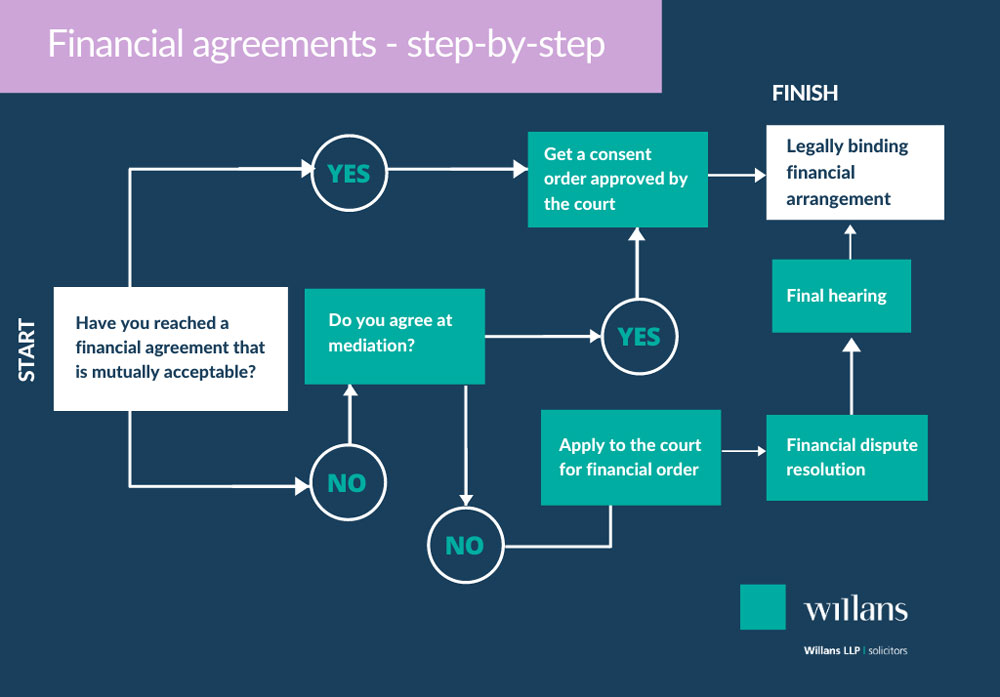
Establishing financial independence is essential after divorce or separation.
Key steps include:
- Opening individual bank and credit accounts
- Closing or refinancing joint accounts
- Monitoring credit reports for errors or shared debt
- Building credit in your own name
This process helps:
- Prevent future disputes
- Protect your credit score
- Restore autonomy
👉 Financial independence is not about cutting ties—it’s about clarity and security.
📊 Tax Considerations After Divorce
Divorce can significantly change your tax situation.
Areas to review:
- Filing status
- Dependency exemptions
- Child tax credits
- Alimony tax treatment
- Capital gains from asset division
Failing to plan for tax changes can create unexpected bills later.
👉 A post-divorce tax review is often as important as a legal one.
🔄 Rebuilding Long-Term Financial Goals
Major life changes often require redefining financial goals.
Areas to revisit:
- Retirement timeline and contributions
- Housing plans
- Education funding for children
- Insurance needs
- Estate planning
Goals may look different—but they are still achievable with intentional planning.
👉 A financial reset is also an opportunity for alignment.
🧠 Emotional Recovery and Financial Confidence
Money and emotions are deeply connected. Rebuilding finances also means rebuilding confidence.
Helpful practices include:
- Breaking tasks into manageable steps
- Celebrating small financial wins
- Learning new financial skills
- Seeking support when needed
Financial confidence grows through action, not perfection.
🛡️ Turning Disruption Into Resilience
While divorce and major life changes are disruptive, they can also become turning points.
People who plan intentionally after life transitions often:
- Develop stronger financial habits
- Build clearer boundaries with money
- Gain independence and resilience
- Make more values-aligned decisions
👉 Recovery isn’t about returning to the past—it’s about building something stronger.
✅ Final Thoughts
Financial planning after divorce or major life changes is not just about numbers—it’s about rebuilding stability, confidence, and control during uncertainty.
By reassessing your finances, updating legal documents, adapting to a single-income reality, and avoiding emotional decision-making, you create a foundation for long-term security and independence.
Life transitions can feel overwhelming—but with thoughtful financial planning, they can also become powerful opportunities for renewal.
Your financial future is not defined by what ended.
It’s shaped by what you intentionally build next.