Financial Psychology and Money Mindset
Financial Psychology and Money Mindset
Advertiser
Personal finance isn’t just about math—it’s about behavior. Two people with the same income can end up in completely different financial situations based on their habits, beliefs, and emotional relationship with money.
Understanding financial psychology helps you make better decisions, avoid self-sabotage, and build sustainable wealth over time.
In this article, you’ll learn:
- How emotional spending works—and how to control it
- Money habits that build long-term wealth
- The difference between scarcity and abundance mindsets
- How behavior impacts long-term financial success
🛒 Emotional Spending and How to Control It
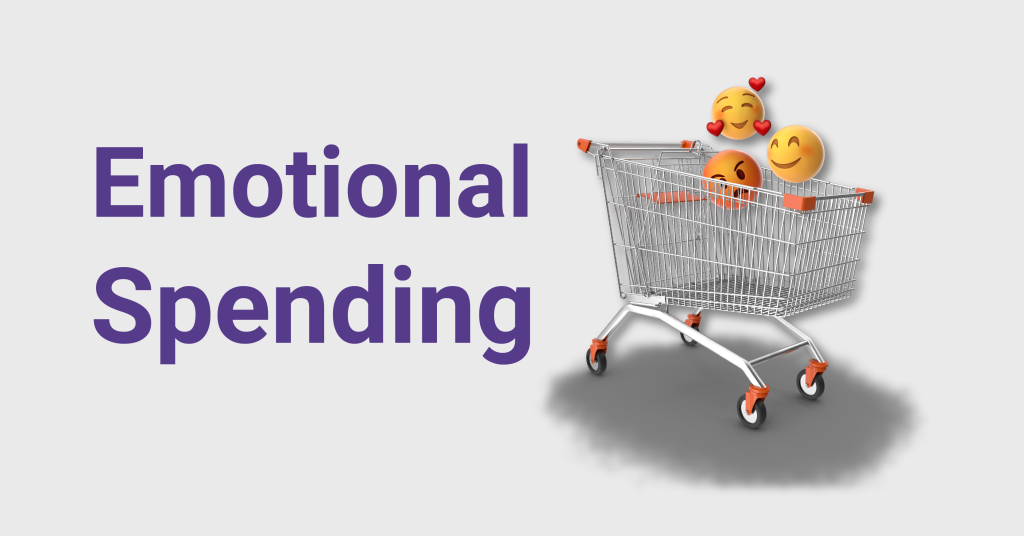


Emotional spending happens when purchases are driven by feelings rather than needs—stress, boredom, anxiety, or even celebration.
Common emotional spending triggers:
- Stress after work
- Social pressure or comparison
- Convenience and instant gratification
- Sales and limited-time offers
How to control emotional spending:
- Pause before buying (24-hour rule)
- Identify emotional triggers
- Replace spending with alternative rewards
- Set clear spending categories for fun
👉 Awareness is the first step. You can’t change habits you don’t recognize.
Read also: Real Estate and Wealth Building in the U.S.
💡 Money Habits That Build Wealth

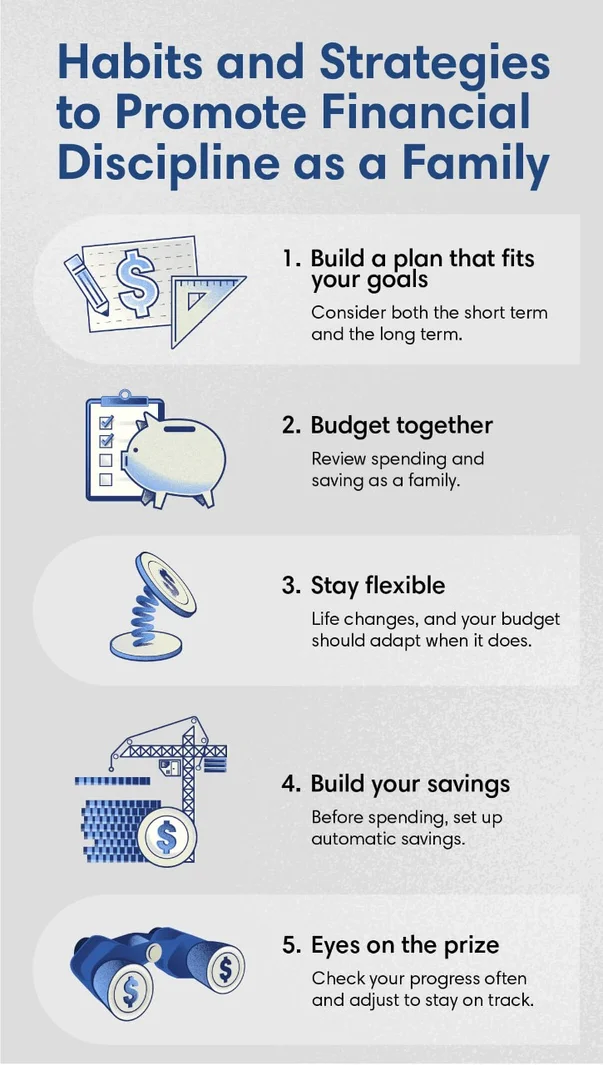

Wealth is built through consistent habits, not occasional big wins.
Powerful money habits:
- Paying yourself first
- Automating savings and investments
- Tracking spending regularly
- Living below your means
- Increasing income intentionally
👉 Small actions repeated over time create massive financial results.
🌱 Scarcity vs. Abundance Mindset

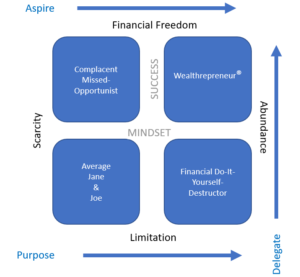

Scarcity mindset:
- Fear-based decisions
- Avoidance of investing
- Short-term thinking
- Anxiety around money
Abundance mindset:
- Focus on opportunities
- Long-term planning
- Willingness to learn and invest
- Confidence in growth
👉 An abundance mindset doesn’t mean reckless spending—it means believing you can improve your financial future through action and learning.
🔄 How Behavior Impacts Long-Term Financial Success


Over time, behavior matters more than market timing, income level, or even intelligence.
Examples of behavior-driven outcomes:
- Consistent investors outperform emotional traders
- Budgeters avoid lifestyle inflation
- Long-term planners recover faster from setbacks
- Disciplined savers handle emergencies with less stress
👉 Financial success is not about perfection—it’s about consistency and resilience.
✅ Final Thoughts
Improving your finances starts with improving your relationship with money. By understanding emotional spending, building positive money habits, shifting your mindset, and focusing on long-term behavior, you create a foundation for lasting financial success.
Money is a tool—but your mindset determines how well you use it.