Inflation and Retirement
How to Protect Your Income Over Decades
Advertiser
Inflation is one of the greatest—and most underestimated—risks retirees face. While market volatility often gets more attention, inflation quietly erodes purchasing power year after year. Over a 20- or 30-year retirement, even modest inflation can dramatically reduce the real value of a fixed income.
For retirees, the challenge isn’t just accumulating savings—it’s making sure that income lasts and keeps pace with rising costs. Protecting retirement income from inflation requires thoughtful planning, flexible withdrawal strategies, and the right mix of investments.
In this article, you’ll learn:
- Why inflation risk is so dangerous in retirement
- Withdrawal strategies that adjust for inflation
- Investments that help protect retirement income
- How to budget effectively during high-inflation periods
📈 Inflation Risk in Retirement
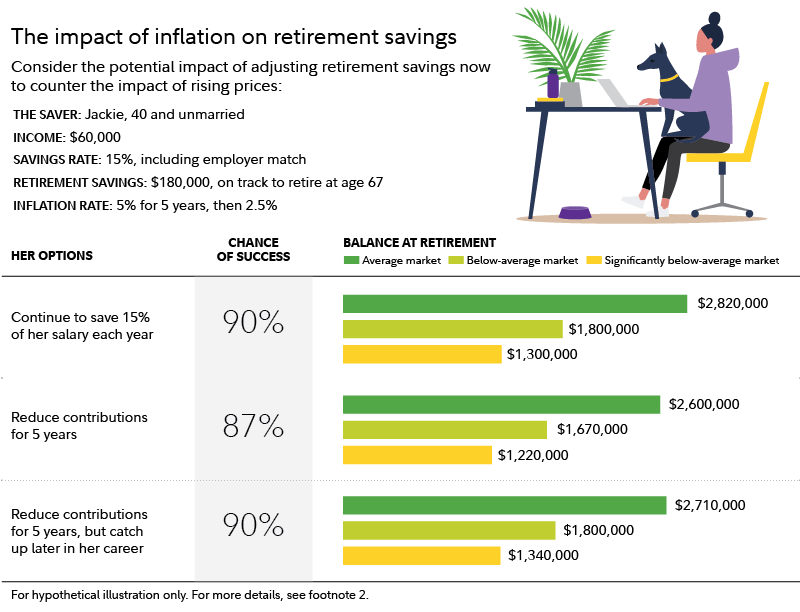
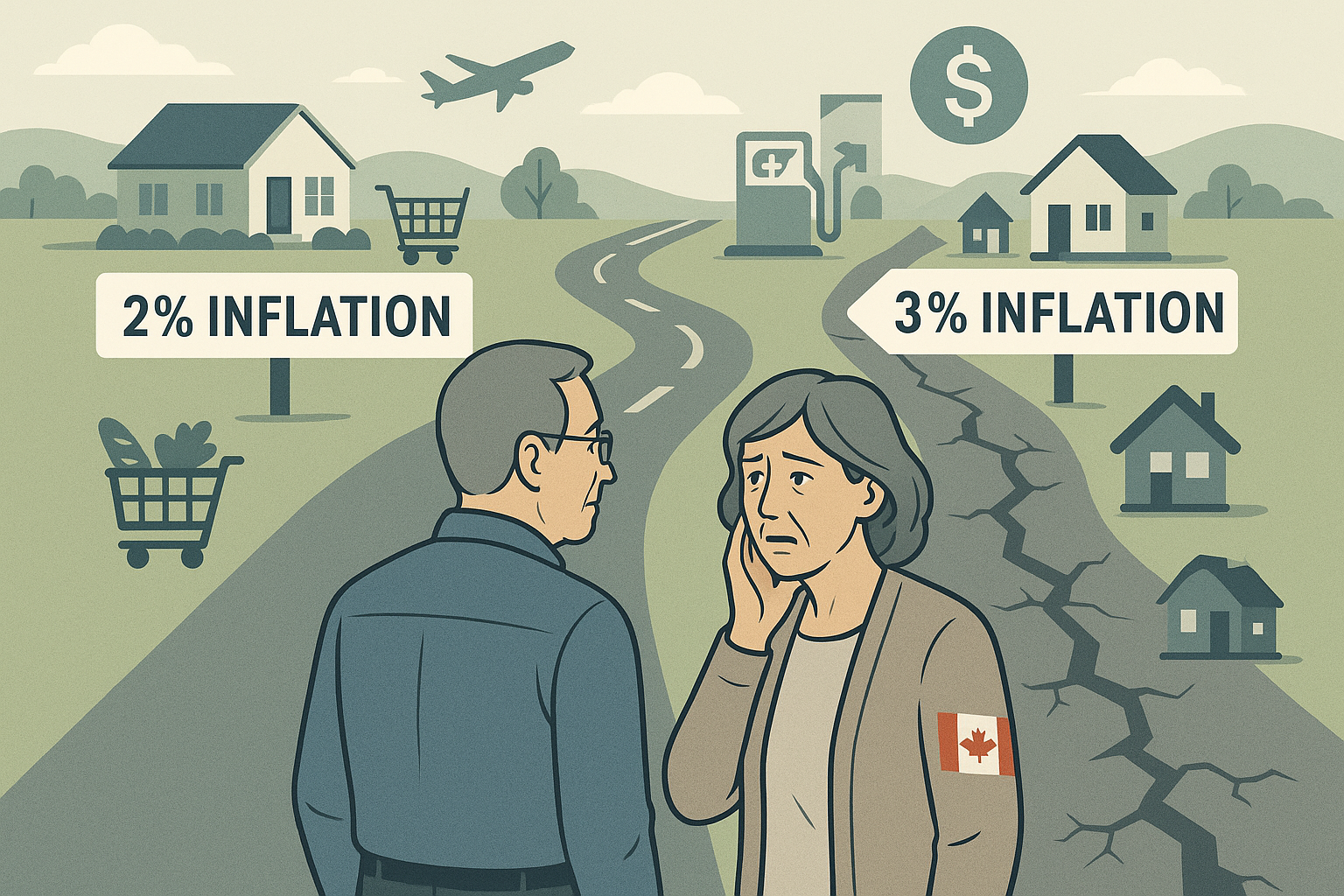
Inflation reduces the purchasing power of money over time. What costs $50,000 per year today may cost significantly more 15 or 20 years from now.
Why retirees are especially vulnerable to inflation:
- Retirement often lasts decades
- Many retirees rely on fixed or semi-fixed income
- Healthcare and long-term care costs rise faster than general inflation
- Retirees have limited ability to increase income through work
Unlike working years, retirees can’t easily “earn more” to offset higher costs. This makes inflation a structural risk rather than a temporary inconvenience.
👉 In retirement, inflation doesn’t feel dramatic year to year—but its cumulative impact can be devastating.
🔄 Withdrawal Strategies That Adjust for Inflation
How you withdraw money from retirement accounts is just as important as how you invest.
The problem with fixed withdrawals
Many retirees withdraw a fixed dollar amount each year. While this may feel stable, it gradually loses purchasing power as prices rise.
Inflation-adjusted withdrawal strategies
1. Inflation-adjusted percentage withdrawals
Instead of withdrawing a fixed amount, withdrawals increase annually to reflect inflation. This helps maintain purchasing power but requires flexibility during market downturns.
2. Dynamic spending strategies
Spending adjusts based on:
- Market performance
- Inflation levels
- Portfolio balance
This approach may reduce withdrawals during weak markets and allow higher spending during strong periods.
3. Bucket strategies
Assets are divided into short-, medium-, and long-term “buckets”:
- Short-term: cash and low-risk assets for near-term spending
- Long-term: growth assets to outpace inflation
👉 Flexible withdrawal strategies improve sustainability in inflationary environments.
📊 Investments That Help Protect Retirement Income

No single investment eliminates inflation risk. Protection comes from diversification and long-term growth.
Key investment categories that help fight inflation:
Equities (stocks)
Stocks have historically outpaced inflation over long periods. While volatile in the short term, they play a critical role in maintaining purchasing power.
Real assets
Assets tied to real economic activity—such as real estate or infrastructure—often adjust with inflation through higher rents or pricing power.
Inflation-sensitive fixed income
Some bonds are designed to adjust with inflation, helping preserve real income.
Dividend-paying investments
Companies that consistently grow dividends can provide income that increases over time.
The danger of being too conservative
Holding too much cash or low-yield fixed income may feel safe—but it exposes retirees to silent inflation losses.
👉 In retirement, growth assets aren’t optional—they’re protective.
🧾 Social Security and Inflation Protection

One of the most valuable features of Social Security is its cost-of-living adjustment (COLA), which helps benefits keep pace with inflation.
Why this matters:
- COLAs provide inflation-linked income
- Social Security acts as a partial inflation hedge
- Delaying benefits increases inflation-adjusted lifetime income
However, Social Security alone is rarely sufficient to cover all retirement expenses—especially healthcare and housing.
👉 Think of Social Security as a foundation, not a complete solution.
🧮 Budgeting in Retirement During High Inflation
Budgets built during low-inflation periods often fail when prices rise quickly. Retirees must adopt dynamic budgeting.
Retirement budgeting best practices:
- Review expenses quarterly, not annually
- Separate essential and discretionary spending
- Identify inflation-sensitive categories
- Build buffers for healthcare and utilities
Categories most affected by inflation:
- Food and groceries
- Utilities
- Insurance premiums
- Healthcare and prescription drugs
- Transportation
Being proactive allows retirees to adjust spending before inflation causes stress.
👉 Budgeting in retirement should be flexible, not rigid.
🧠 Behavioral Challenges of Inflation in Retirement

Inflation doesn’t just affect finances—it affects emotions.
Common behavioral reactions include:
- Fear-driven spending cuts
- Overly conservative investing
- Panic during inflation spikes
- Delaying necessary expenses
While caution is understandable, excessive fear can lead to under-spending and reduced quality of life—or poor investment decisions.
👉 The goal is balance: protect income without sacrificing well-being.
🛡️ Healthcare Costs and Inflation
Healthcare costs tend to rise faster than general inflation, making them one of the biggest threats to retirement income.
Strategies to manage healthcare inflation include:
- Planning for rising premiums and out-of-pocket costs
- Using tax-advantaged healthcare accounts when available
- Building healthcare-specific savings buffers
- Incorporating potential long-term care costs into planning
Ignoring healthcare inflation often leads to overly optimistic retirement projections.
🔄 Adjusting Retirement Plans Over Time
Retirement planning is not a one-time event. Inflation, markets, and personal circumstances change.
Smart retirees:
- Review plans annually
- Adjust withdrawals as conditions change
- Rebalance portfolios periodically
- Reassess spending assumptions
Flexibility is one of the strongest defenses against inflation.
👉 The best retirement plans evolve over time.
🧩 Building an Inflation-Resilient Retirement Strategy
An inflation-resilient retirement strategy includes:
- Growth-oriented investments
- Flexible withdrawal rules
- Inflation-adjusted income sources
- Dynamic budgeting
- Ongoing plan reviews
No strategy eliminates risk—but thoughtful planning dramatically improves outcomes.
✅ Final Thoughts
Inflation is a long-term reality—not a temporary disruption. For retirees, protecting purchasing power is just as important as protecting principal.
By understanding inflation risk, using flexible withdrawal strategies, maintaining growth-oriented investments, and adjusting budgets proactively, retirees can protect income and preserve independence over decades.
Retirement success isn’t about predicting inflation.
It’s about preparing for it.
The goal isn’t to avoid change—it’s to stay resilient through it.