Building Trust in Intercultural Relationships in the U.S.
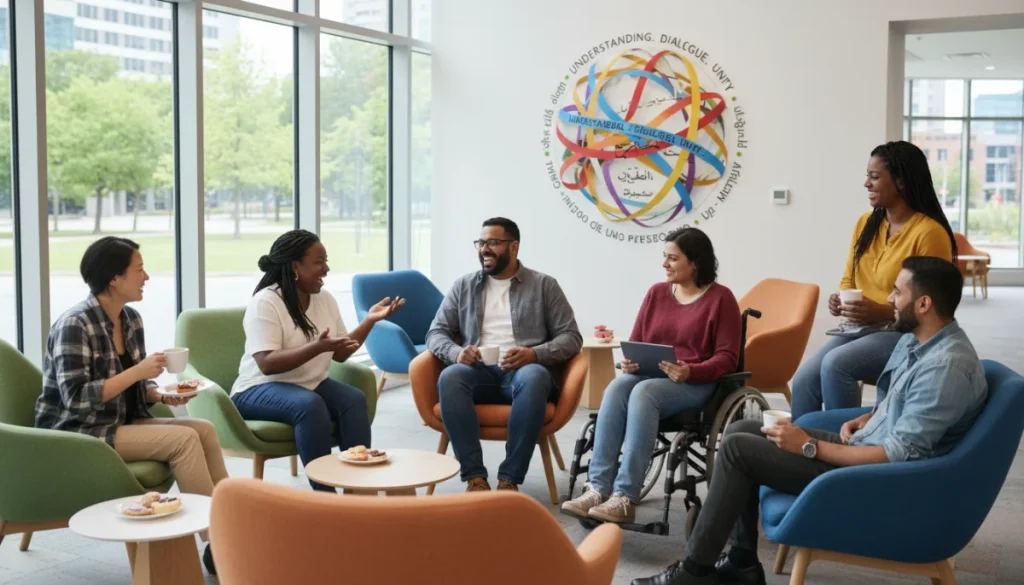
Building trust in intercultural relationships in the U.S. involves consciously bridging cultural gaps through active listening, demonstrating empathy, and consistently showing respect for differing values and communication styles to forge deeper connections.
Navigating the rich tapestry of cultures within the United States presents unique opportunities and challenges. At the heart of successful interactions lies the crucial element of intercultural trust building. This article will explore the nuances of forging genuine connections across diverse backgrounds, offering insights and actionable strategies to strengthen relationships in a multicultural society.
Understanding cultural diversity and its impact on trust
The United States is a melting pot of global cultures, each bringing its own set of values, communication styles, and expectations. Recognizing and appreciating this diversity is the foundational step in building trust. Different cultural backgrounds often shape how individuals perceive reliability, honesty, and commitment, which are all integral to trust.
It is not enough to simply acknowledge differences; one must delve deeper into how these differences influence interactions. For example, direct communication, valued in some cultures, might be perceived as aggressive in others that favor indirectness. Misinterpretations arising from these stylistic variations can inadvertently erode trust if not addressed with awareness and sensitivity.
The spectrum of communication styles
Communication is perhaps the most significant arena where cultural differences manifest. Understanding these variations is paramount for effective trust building. What one culture considers polite, another might see as evasive or even dishonest.
- High-context vs. Low-context cultures: Some cultures rely heavily on implicit cues and shared understanding (high-context), while others prioritize explicit verbal messages (low-context).
- Direct vs. Indirect communication: Direct cultures value clarity and frankness, whereas indirect cultures prefer subtlety and harmony.
- Non-verbal cues: Gestures, eye contact, personal space, and even silence carry different meanings across cultures, impacting how messages are received.
Becoming attuned to these nuances allows for more mindful and effective communication, preventing misunderstandings that could otherwise hinder the development of trust. A willingness to adapt one’s communication style is a powerful gesture of respect.
Ultimately, fostering trust in a culturally diverse environment begins with an open mind and a commitment to learning. By understanding the underlying cultural frameworks that shape individual behaviors and expectations, we can approach interactions with greater empathy and build more robust, authentic relationships. This proactive approach helps bridge gaps and lays the groundwork for mutual respect and understanding.
Developing cultural competence and empathy
Cultural competence goes beyond mere awareness; it involves developing the skills and attitudes necessary to interact effectively with people from different cultural backgrounds. This competence is crucial for building trust, as it demonstrates respect and a genuine effort to understand another person’s world view. Empathy, the ability to understand and share the feelings of another, serves as the emotional bridge in intercultural interactions.
When individuals feel understood and respected, trust naturally begins to form. This is especially true in contexts where cultural differences might initially create barriers. By actively seeking to understand another’s perspective, even if it differs greatly from one’s own, a foundation of mutual respect is established.
Strategies for enhancing cultural competence
Improving cultural competence is an ongoing journey that requires continuous effort and self-reflection. It’s about developing a toolkit of skills that can be applied in various intercultural scenarios.
- Active listening: Pay full attention, ask clarifying questions, and reflect on what has been said to ensure understanding, rather than just waiting to speak.
- Observational skills: Notice non-verbal cues and social dynamics in different cultural contexts without immediately judging them.
- Seeking knowledge: Learn about the history, values, and traditions of other cultures, either through reading, documentaries, or direct interaction.
These practices help individuals navigate complex social situations with greater ease and confidence, reducing the likelihood of missteps that could damage trust. The more knowledgeable one becomes, the more naturally respectful and appropriate their interactions will be.

Empathy plays a pivotal role in translating cultural competence into genuine connection. It involves putting oneself in another’s shoes, attempting to see the world through their lens. This doesn’t mean agreeing with every perspective, but rather acknowledging and validating their experiences and feelings. When empathy is present, it signals to others that their humanity is recognized and valued, which is a powerful catalyst for trust.
In essence, cultural competence and empathy are two sides of the same coin. One provides the framework for understanding, while the other provides the emotional connection. Together, they create a powerful synergy that enables individuals to build deep, meaningful trust in any intercultural relationship in the U.S.
Overcoming unconscious biases and stereotypes
Unconscious biases and stereotypes are pervasive and can significantly impede the process of building trust in intercultural relationships. These ingrained assumptions, often formed without conscious awareness, can lead to misjudgments, unfair treatment, and a lack of genuine connection. Addressing and overcoming them is a critical step towards fostering authentic trust.
Such biases can manifest in subtle ways, from how we interpret someone’s tone of voice to the assumptions we make about their intentions based on their cultural background. If left unchecked, these biases can create invisible barriers, preventing the development of mutual respect and understanding essential for trust.
Recognizing and challenging your biases
The first step in overcoming unconscious bias is to acknowledge its existence and actively work to identify personal biases. This requires introspection and a willingness to confront uncomfortable truths about one’s own thought patterns.
- Self-reflection: Regularly examine your reactions and assumptions about people from different cultural backgrounds. Ask yourself why you hold certain beliefs.
- Mindfulness: Practice being present in interactions, consciously observing your thoughts and feelings before reacting.
- Exposure to diverse perspectives: Seek out media, literature, and real-life interactions that offer insights into cultures different from your own.
Challenging stereotypes involves actively questioning generalized beliefs about cultural groups. Stereotypes reduce individuals to simplified categories, stripping them of their unique identities and experiences. Trust cannot flourish where individuals feel categorized rather than seen for who they are.
By making a conscious effort to challenge these ingrained patterns, individuals can begin to dismantle the mental barriers that prevent genuine intercultural connection. This process is not always easy, but it is deeply rewarding, leading to more authentic relationships built on mutual respect rather than preconceived notions. Overcoming bias is an ongoing journey, but each step taken contributes to a more inclusive and trusting environment.
Active listening and respectful dialogue
At the core of any strong relationship, particularly intercultural ones, lies the ability to engage in active listening and respectful dialogue. These practices are not merely about hearing words; they involve a deep commitment to understanding the speaker’s perspective, validating their feelings, and creating a safe space for open exchange. In intercultural contexts, where communication styles and norms can vary widely, these skills become even more crucial.
Without active listening, misinterpretations are prone to occur, leading to frustration and a breakdown of trust. Respectful dialogue ensures that even when disagreements arise, the fundamental dignity of each individual is maintained, allowing for constructive engagement rather than conflict.
Techniques for effective active listening
Active listening is a skill that can be developed and refined. It requires conscious effort to move beyond passive hearing to a more engaged and empathetic form of communication.
- Paraphrasing: Rephrase what the other person has said in your own words to confirm understanding. This shows you’ve processed their message.
- Asking open-ended questions: Encourage the other person to elaborate and share more of their thoughts and feelings, fostering deeper conversation.
- Non-verbal affirmations: Use appropriate eye contact, nodding, and an open posture to signal engagement and receptiveness.
Respectful dialogue, on the other hand, involves approaching conversations with humility and a willingness to learn. It means acknowledging that your perspective is one among many and that others’ experiences are valid, even if they differ from your own. This approach helps to de-escalate potential tensions and fosters an environment where trust can thrive.
Engaging in respectful dialogue also means being mindful of your tone, word choice, and body language, ensuring they convey openness and respect. It’s about finding common ground, even amidst differences, and working towards mutual understanding rather than focusing on winning an argument. By mastering active listening and respectful dialogue, individuals can significantly enhance their ability to build and maintain trust in diverse intercultural settings.
Patience, consistency, and vulnerability
Building trust in any relationship, particularly intercultural ones, is not an overnight process. It demands patience, consistency, and a willingness to be vulnerable. These three elements are interconnected and form the bedrock upon which strong, enduring intercultural bonds are forged. Trust develops over time, through repeated positive interactions and a demonstrated commitment to the relationship.
Patience is essential because cultural differences can sometimes lead to slower communication or different paces of relationship development. Consistency signals reliability and predictability, showing that one’s actions align with their words. Vulnerability, while challenging, allows for genuine connection by revealing one’s authentic self.
The power of consistent positive interactions
Consistency in behavior and communication is a powerful trust builder. When people experience predictable and positive interactions, they learn to rely on and feel safe with the other person. This is particularly important in intercultural relationships where initial uncertainties might be higher.
- Follow-through: Always do what you say you will do, no matter how small the commitment.
- Regular engagement: Maintain consistent communication and interaction, showing sustained interest in the relationship.
- Fairness and equity: Treat everyone with fairness and ensure equitable treatment, demonstrating integrity.
Vulnerability, often perceived as a weakness, is actually a strength in building deep trust. It involves being open about one’s feelings, experiences, and even insecurities. When one person shares a piece of themselves, it invites the other to do the same, creating a reciprocal bond of openness and authenticity.

However, vulnerability must be approached with cultural sensitivity, as the degree to which it is acceptable can vary across cultures. It’s about finding the appropriate level of openness that resonates with the specific intercultural context. By combining patience with consistent, reliable behavior and a thoughtful approach to vulnerability, individuals can cultivate profound and lasting trust in their intercultural relationships within the U.S.
Celebrating differences and fostering inclusion
Beyond merely tolerating or understanding differences, truly building trust in intercultural relationships involves actively celebrating these distinctions and fostering an inclusive environment. When individuals feel their unique cultural identities are not just accepted but valued and celebrated, it creates a deeper sense of belonging and strengthens the bonds of trust. Inclusion is the active process of ensuring everyone feels welcomed, respected, and supported.
A truly inclusive environment moves beyond surface-level diversity to embrace and integrate varying perspectives, experiences, and ways of being. This approach enriches relationships and communities, making them more resilient and innovative. Trust flourishes where individuals feel they can be their authentic selves without fear of judgment.
Creating spaces for cultural exchange
Fostering inclusion often involves intentionally creating opportunities for cultural exchange and mutual learning. These spaces allow individuals to share their traditions, beliefs, and experiences in a supportive setting, deepening understanding and appreciation.
- Cultural events: Organize or participate in events that highlight different cultural holidays, traditions, or arts.
- Shared meals: Food is a powerful cultural connector. Sharing meals from different cuisines can be a simple yet effective way to foster connection.
- Learning initiatives: Support or engage in programs that teach about different cultures, languages, or historical contexts.
Celebrating differences means recognizing that diversity is an asset, bringing varied strengths and insights to any relationship or group. It’s about appreciating the richness that multiple perspectives offer, rather than viewing them as potential sources of conflict. When this attitude prevails, trust is built on a foundation of mutual admiration and respect for each other’s unique contributions.
An inclusive approach also means actively advocating for equity and challenging any forms of discrimination. When individuals see that their allies are committed to creating a just and equitable environment, their trust in those relationships deepens. By celebrating differences and actively fostering inclusion, we create environments where intercultural trust can not only survive but truly thrive, leading to more harmonious and interconnected communities across the U.S.
Maintaining trust in challenging times
Even after trust has been established, intercultural relationships will inevitably face challenging times. Misunderstandings, conflicts, or external pressures can test the strength of these bonds. The ability to navigate these difficulties while preserving and even strengthening trust is a hallmark of resilient intercultural relationships. It requires continued effort, open communication, and a commitment to resolution.
Maintaining trust during adversity demonstrates the depth of the relationship and reinforces the belief that the connection is valued. It’s during these moments that the foundation built through patience, empathy, and consistency truly proves its worth.
Strategies for conflict resolution in intercultural settings
Conflict is a natural part of any relationship, but how it is handled in an intercultural context can significantly impact trust. Different cultures have varying approaches to conflict resolution, and understanding these can prevent further damage.
- Address issues directly yet sensitively: While some cultures prefer direct confrontation, others may favor a more indirect or mediated approach. Adapt your style as appropriate.
- Focus on understanding, not blame: Approach conflicts as opportunities to learn and clarify misunderstandings rather than assigning fault.
- Seek common ground: Identify shared interests or goals that can serve as a basis for resolution, reinforcing the collaborative aspect of the relationship.
Transparency and honesty are paramount during challenging times. Even when delivering difficult news or discussing sensitive topics, doing so with integrity helps maintain trust. People may not always agree with the message, but they will respect the honesty and directness, provided it is delivered with cultural sensitivity.
Furthermore, demonstrating a willingness to apologize sincerely and take responsibility for one’s actions, when appropriate, can go a long way in repairing strained trust. It shows humility and a commitment to the relationship over personal ego. By proactively applying these strategies, individuals can navigate challenging periods, reinforcing and even deepening the trust in their intercultural relationships, ensuring their longevity and strength.
| Key Point | Brief Description |
|---|---|
| Cultural Awareness | Recognizing and appreciating diverse cultural norms and communication styles is fundamental. |
| Empathy & Competence | Developing skills to understand and effectively interact with different cultural backgrounds. |
| Active Communication | Engaging in active listening and respectful dialogue to bridge communication gaps. |
| Consistency & Patience | Building trust requires consistent, reliable behavior and patience over time. |
Frequently asked questions about intercultural trust
The biggest challenge often lies in overcoming unconscious biases and differing communication styles. Misinterpretations due to varying cultural norms can easily erode trust if not recognized and addressed with empathy and a willingness to learn from one another’s perspectives.
Improving cultural competence involves active listening, observing non-verbal cues, and seeking knowledge about different cultures. Engaging in diverse interactions, reading widely, and reflecting on your own cultural lens are crucial steps for continuous growth and understanding.
Not necessarily. While directness is valued in some U.S. cultures, others prefer indirect communication to maintain harmony or show respect. Adapting your communication style to match the cultural context of your interlocutor is often more effective for fostering trust and avoiding misunderstandings.
Empathy is crucial as it allows individuals to understand and share the feelings of others, bridging emotional gaps created by cultural differences. When people feel understood and valued, trust deepens, creating a stronger foundation for meaningful relationships regardless of background.
Consistency in actions, words, and reliability builds predictability and a sense of security. In intercultural relationships, where initial uncertainties might be higher, consistent positive behavior demonstrates commitment and integrity, reinforcing trust over time through sustained effort.
Conclusion
Building trust in intercultural relationships in the U.S. is a dynamic and rewarding endeavor. It requires more than just good intentions; it demands active engagement, a willingness to learn, and a commitment to genuine understanding. By cultivating cultural competence, practicing empathy, overcoming biases, and engaging in respectful dialogue, individuals can forge connections that transcend cultural divides. Patience, consistency, and a thoughtful approach to vulnerability are the pillars upon which these enduring relationships are built. Ultimately, by celebrating differences and fostering inclusive environments, we create a stronger, more interconnected society where trust serves as the fundamental currency of human interaction.
