Relationship Communication Research: Key Findings for Partners

Recent relationship communication research highlights the importance of active listening, vulnerability, and effective conflict resolution as cornerstones for building resilient and fulfilling partnerships, offering practical insights for couples.
Staying informed about the latest updates in relationship communication research: key findings for partners is crucial for cultivating healthier, more fulfilling connections. Understanding these evolving dynamics can empower individuals and couples to navigate challenges and strengthen their bonds effectively.
The evolving landscape of communication research
The field of relationship communication research is dynamic, constantly unearthing new insights into how couples interact and thrive. Recent studies move beyond simplistic models, delving into the nuanced interplay of verbal and non-verbal cues, emotional regulation, and digital communication’s impact.
This evolving landscape provides a richer understanding of what truly makes communication effective and how partners can adapt their styles to foster deeper intimacy and resolve conflicts constructively. The focus has shifted from merely identifying problems to offering actionable strategies for improvement, making these findings incredibly valuable for anyone seeking to enhance their relationship.
Beyond words: non-verbal communication’s profound impact
While words convey explicit messages, non-verbal cues often carry the true weight of our feelings and intentions. Research consistently shows that body language, facial expressions, tone of voice, and even subtle gestures profoundly influence how messages are received and interpreted within a relationship.
- Eye contact: Sustained, gentle eye contact can signal engagement and affection, while avoidance might suggest discomfort or disinterest.
- Body posture: Open postures, facing your partner, convey receptiveness; closed-off stances can indicate defensiveness or withdrawal.
- Touch: Affectionate touch, like a hand on the arm or a comforting hug, can significantly boost emotional connection and reassurance.
- Facial expressions: Micro-expressions, often fleeting, can reveal underlying emotions that words might attempt to conceal.
Ignoring these silent signals can lead to misunderstandings, even when verbal communication seems clear. Partners who are attuned to each other’s non-verbal language often experience higher levels of empathy and connection, as they can pick up on unspoken needs and emotions.
In conclusion, the ongoing advancements in communication research offer a comprehensive view of relational dynamics. By appreciating the complexity of both verbal and non-verbal interactions, couples can better understand their communication patterns and work towards more effective and empathetic exchanges, laying the groundwork for stronger relationships.
Active listening: the cornerstone of connection
Active listening is far more than just hearing words; it’s a deliberate and empathetic process of fully understanding your partner’s message, both spoken and unspoken. Recent research underscores its critical role, showing that couples who consistently practice active listening report higher relationship satisfaction and lower conflict intensity.
This foundational skill involves giving your undivided attention, processing information without judgment, and reflecting back what you’ve heard to ensure accuracy. It creates a safe space for vulnerability, allowing partners to feel truly heard and valued, which is essential for building trust and emotional intimacy.
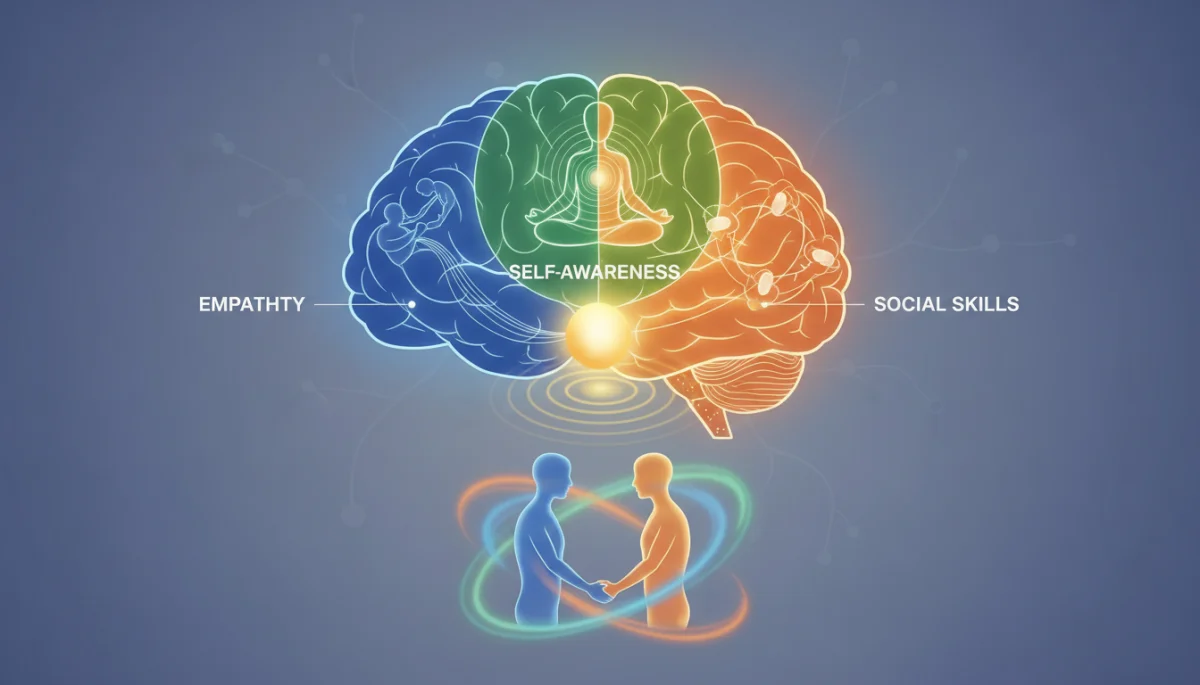
One of the key findings in recent studies emphasizes that active listening is not passive. It requires significant mental effort and a conscious decision to set aside one’s own thoughts and feelings momentarily to focus entirely on the other person. This act of presence communicates respect and care, reinforcing the idea that your partner’s perspective matters.
Empathetic validation and reflective responses
Central to active listening is the practice of empathetic validation. This means acknowledging and respecting your partner’s feelings, even if you don’t fully agree with their perspective. It’s about communicating, "I understand why you feel that way," rather than, "You shouldn’t feel that way."
- Paraphrasing: Briefly restating what your partner said in your own words to confirm understanding. Example: "So, if I’m hearing you correctly, you’re feeling overwhelmed by your workload and wish I could help more."
- Clarifying questions: Asking open-ended questions to gain more detail or clear up ambiguities. Example: "Could you tell me more about what specifically made you feel dismissed?"
- Reflecting feelings: Identifying and naming the emotions your partner seems to be expressing. Example: "It sounds like you’re feeling frustrated and a bit hurt by my forgetfulness."
These reflective responses are not about offering solutions immediately but about demonstrating that you are engaged and trying to grasp their experience. This process significantly reduces defensiveness and opens the door for collaborative problem-solving, rather than escalating conflict.
In summary, active listening is a powerful tool for enhancing relationship communication. By practicing empathetic validation and using reflective responses, partners can cultivate a deeper understanding of each other’s needs and emotions, strengthening their bond and fostering a more supportive and connected environment.
Vulnerability and emotional honesty
The ability to be vulnerable and emotionally honest with a partner is consistently highlighted in recent relationship communication research as a cornerstone for deep intimacy. It involves sharing one’s true thoughts, feelings, fears, and insecurities, even when it feels uncomfortable or risky. This authenticity builds profound trust and allows for genuine connection, moving beyond superficial interactions.
Studies indicate that couples who regularly engage in vulnerable communication experience greater emotional closeness and resilience. It signals to a partner that they are trusted and valued enough to be privy to one’s inner world, fostering a sense of security and mutual understanding that strengthens the relationship over time.
The courage to be open: overcoming fear of judgment
Many individuals struggle with vulnerability due to a fear of judgment, rejection, or being perceived as weak. However, research suggests that when vulnerability is met with empathy and acceptance, it paradoxically increases a person’s sense of strength and belonging within the relationship.
- Starting small: Begin by sharing minor insecurities or feelings, gradually building up to deeper revelations as trust grows.
- Expressing needs: Clearly articulating personal needs and boundaries without expecting your partner to mind-read.
- Admitting mistakes: Acknowledging errors and taking responsibility fosters trust and shows a willingness to grow.
- Sharing fears: Revealing anxieties about the future or specific situations can invite comfort and support from your partner.
Creating a safe environment where both partners feel comfortable being vulnerable is a shared responsibility. It requires active listening, non-judgmental responses, and consistent reassurance that their emotional honesty is appreciated and reciprocated. This reciprocal vulnerability is what truly deepens the bond.
In conclusion, embracing vulnerability and emotional honesty is not a sign of weakness but a profound act of courage that enriches relationship communication. By fostering an environment of acceptance and mutual trust, partners can unlock deeper levels of intimacy and create a relationship built on genuine understanding and support.
Navigating conflict: constructive resolution strategies
Conflict is an inevitable part of any relationship, but how couples navigate it determines the health and longevity of their bond. Recent relationship communication research emphasizes the importance of constructive conflict resolution strategies over avoidance or destructive patterns. The goal isn’t to eliminate conflict, but to manage it in a way that strengthens the relationship rather than eroding it.
Effective conflict resolution involves a combination of emotional regulation, communication skills, and a willingness to find mutually agreeable solutions. Studies show that couples who master these strategies are more resilient in the face of challenges and report higher levels of satisfaction.
Fair fighting rules and time-outs
One key finding highlights the utility of "fair fighting" rules. These are agreed-upon guidelines that partners adhere to during disagreements to prevent escalation and maintain respect. Establishing such rules beforehand can de-escalate tensions when emotions run high.
- No personal attacks: Focus on the issue, not on criticizing your partner’s character. Use "I" statements instead of "you" statements.
- Stay in the present: Avoid bringing up past grievances that are not directly relevant to the current issue.
- Take breaks: If discussions become too heated, agree to take a time-out to cool down and revisit the conversation later.
- Listen to understand: Prioritize understanding your partner’s perspective before defending your own.
The strategic use of time-outs is particularly vital. When a conversation becomes too intense or unproductive, a pre-agreed signal for a break allows both partners to step away, calm their nervous systems, and return to the discussion with a clearer mind. This prevents emotional flooding and allows for more rational problem-solving.
Ultimately, constructive conflict resolution is about working together as a team to address issues. By implementing fair fighting rules and knowing when to take a break, couples can transform potential relationship destroyers into opportunities for growth and deeper understanding, reinforcing their commitment to each other.
The digital age: communication in modern relationships
The advent of digital communication has profoundly reshaped how partners interact, presenting both unprecedented opportunities and unique challenges. Recent updates in relationship communication research increasingly explore the impact of texting, social media, and video calls on intimacy, connection, and potential misunderstandings. Understanding these dynamics is crucial for partners navigating modern relationships.
While digital tools offer convenience and constant connection, studies suggest that they can also inadvertently foster misinterpretations or reduce the quality of communication if not used mindfully. The absence of non-verbal cues in text-based interactions, for instance, can lead to ambiguity and conflict.

Mindful digital interaction and its pitfalls
Research indicates that the perceived "immediacy" of digital communication can sometimes lead to an expectation of instant responses, causing frustration when those expectations aren’t met. Moreover, excessive screen time or frequent checking of social media during interactions can signal disengagement, negatively impacting perceived attentiveness.
- Clarify intent: When sending important messages via text, consider following up with a call or in-person discussion to ensure clarity.
- Set boundaries: Establish agreements around phone usage during shared time, such as mealtimes or intimate moments, to prioritize in-person connection.
- Avoid sensitive topics: Reserve emotionally charged or complex discussions for face-to-face conversations where non-verbal cues can provide essential context.
- Use emojis thoughtfully: While emojis can convey tone, they are not a substitute for genuine emotional expression or careful wording in significant communications.
Conversely, digital communication can be a powerful tool for maintaining connection across distances, sharing small acts of affection, and planning. The key lies in intentional and balanced use, ensuring that digital interactions complement rather than detract from the quality of face-to-face communication.
In conclusion, the digital age demands a thoughtful approach to relationship communication. By being mindful of the limitations and benefits of various digital platforms, partners can leverage technology to enhance their connection while safeguarding against potential pitfalls, ensuring that their communication remains robust and meaningful.
Building secure attachment through communication
Secure attachment, characterized by trust, safety, and the ability to rely on a partner, is a hallmark of healthy relationships. Recent relationship communication research highlights how specific communication patterns are instrumental in fostering and maintaining this security. It’s not just about what is said, but how it’s said and how partners respond to each other’s bids for connection.
Studies show that consistent responsiveness, empathy, and emotional availability from a partner contribute significantly to an individual’s sense of secure attachment. This creates a feedback loop where secure individuals communicate more effectively, further strengthening the bond and reinforcing the attachment.
Responsiveness and emotional bids
A crucial finding in attachment research relates to "bids for connection." These are attempts, often subtle, to get a partner’s attention, affirmation, or support. How partners respond to these bids—turning towards, turning away, or turning against—profoundly impacts the development of attachment security.
- Turning towards: Acknowledging and responding positively to a partner’s bid, even if briefly. This reinforces that the partner is seen and heard.
- Emotional attunement: Being sensitive to your partner’s emotional state and responding in a way that is comforting and validating.
- Predictable reliability: Consistently being there for your partner in times of need, creating a sense of trust and dependability.
- Repair attempts: After a disagreement, making genuine efforts to reconnect and resolve lingering hurt, which rebuilds trust and security.
When partners consistently turn towards each other’s bids, they build a reservoir of positive interactions that buffer against inevitable conflicts. This responsiveness communicates, "I see you, I hear you, and I care about you," which is fundamental for cultivating a secure base within the relationship.
In essence, communication is the lifeblood of secure attachment. By prioritizing responsiveness, emotional attunement, and making consistent repair attempts, partners can actively build and maintain a strong, secure bond, providing a foundation of safety and trust for both individuals within the relationship.
Cultivating empathy and perspective-taking
Empathy, the ability to understand and share the feelings of another, along with perspective-taking, the capacity to see situations from another’s point of view, are vital components underscored by recent relationship communication research. These skills are not merely passive traits but active practices that significantly enhance communication quality and foster deeper connection between partners.
Studies show that couples who actively engage in empathetic and perspective-taking behaviors report higher levels of relationship satisfaction, greater intimacy, and more effective conflict resolution. It allows partners to move beyond their own immediate reactions and truly grasp the emotional and cognitive world of the other.
Strategies for enhancing empathy and perspective-taking
While some individuals may naturally be more empathetic, these are skills that can be intentionally developed and honed. Practicing specific communication techniques can help partners cultivate a deeper understanding of each other’s experiences and feelings.
- Ask open-ended questions: Instead of making assumptions, ask "How did that make you feel?" or "What was your experience of that situation?"
- Imagine yourself in their shoes: Consciously try to envision the situation from your partner’s perspective, considering their background, fears, and hopes.
- Validate feelings, not just facts: Acknowledge the emotion behind your partner’s words, even if you don’t agree with the facts of the situation. "I can see why you’d feel frustrated by that."
- Reflect back emotions: Use phrases like "It sounds like you’re feeling really overwhelmed right now," to show you’re trying to connect with their emotional state.
These practices move communication beyond a mere exchange of information to a deeper level of emotional resonance. When a partner feels truly understood and empathized with, it builds a powerful sense of validation and connection, strengthening the overall relationship fabric.
To conclude, cultivating empathy and perspective-taking is fundamental for enriching relationship communication. By consciously practicing these skills, partners can bridge emotional gaps, reduce misunderstandings, and foster a profoundly compassionate and connected relationship built on mutual understanding and respect.
| Key Research Finding | Implication for Partners |
|---|---|
| Active Listening is Crucial | Enhances understanding, reduces conflict, and fosters deeper connection by truly hearing your partner. |
| Vulnerability Builds Intimacy | Sharing true feelings and fears creates trust and profound emotional closeness. |
| Constructive Conflict Resolution | Managing disagreements respectfully strengthens the relationship rather than eroding it. |
| Digital Communication Impact | Requires mindful use to avoid misunderstandings and prioritize in-person connection. |
Frequently asked questions about relationship communication
Recent research consistently highlights active listening as paramount. It involves fully understanding, validating, and reflecting your partner’s message, which significantly boosts satisfaction and reduces conflict. This foundational skill enables deeper empathy and trust, fostering a more connected and resilient partnership.
Vulnerability is crucial for deep intimacy. Sharing genuine thoughts, feelings, and insecurities builds profound trust and emotional closeness, moving beyond superficial interactions. When met with empathy, it strengthens the bond, making partners feel valued and secure within the relationship.
Effective strategies include "fair fighting" rules, focusing on issues rather than personal attacks, using "I" statements, and taking time-outs when discussions become too heated. These approaches prevent escalation and promote respectful, collaborative problem-solving, strengthening the relationship.
Digital communication offers convenience but also poses challenges like misinterpretations due to lack of non-verbal cues. Mindful use, such as setting boundaries for phone usage during shared time and reserving sensitive topics for in-person talks, is essential to maintain connection quality.
Empathy is vital for secure attachment by helping partners understand and share each other’s feelings, leading to greater trust and safety. Consistent responsiveness to emotional bids and validation of feelings create a secure base, reinforcing that a partner is seen, heard, and cared for.
Conclusion
The continuous evolution of relationship communication research offers invaluable insights for partners striving to build stronger, more resilient connections. From the profound impact of active listening and the courage of vulnerability to effective conflict resolution strategies and mindful digital interaction, these key findings underscore the multifaceted nature of healthy communication. By integrating these research-backed approaches into daily interactions, couples can cultivate deeper empathy, foster secure attachment, and navigate the complexities of their relationships with greater understanding and connection, ultimately leading to more fulfilling and lasting partnerships.
